

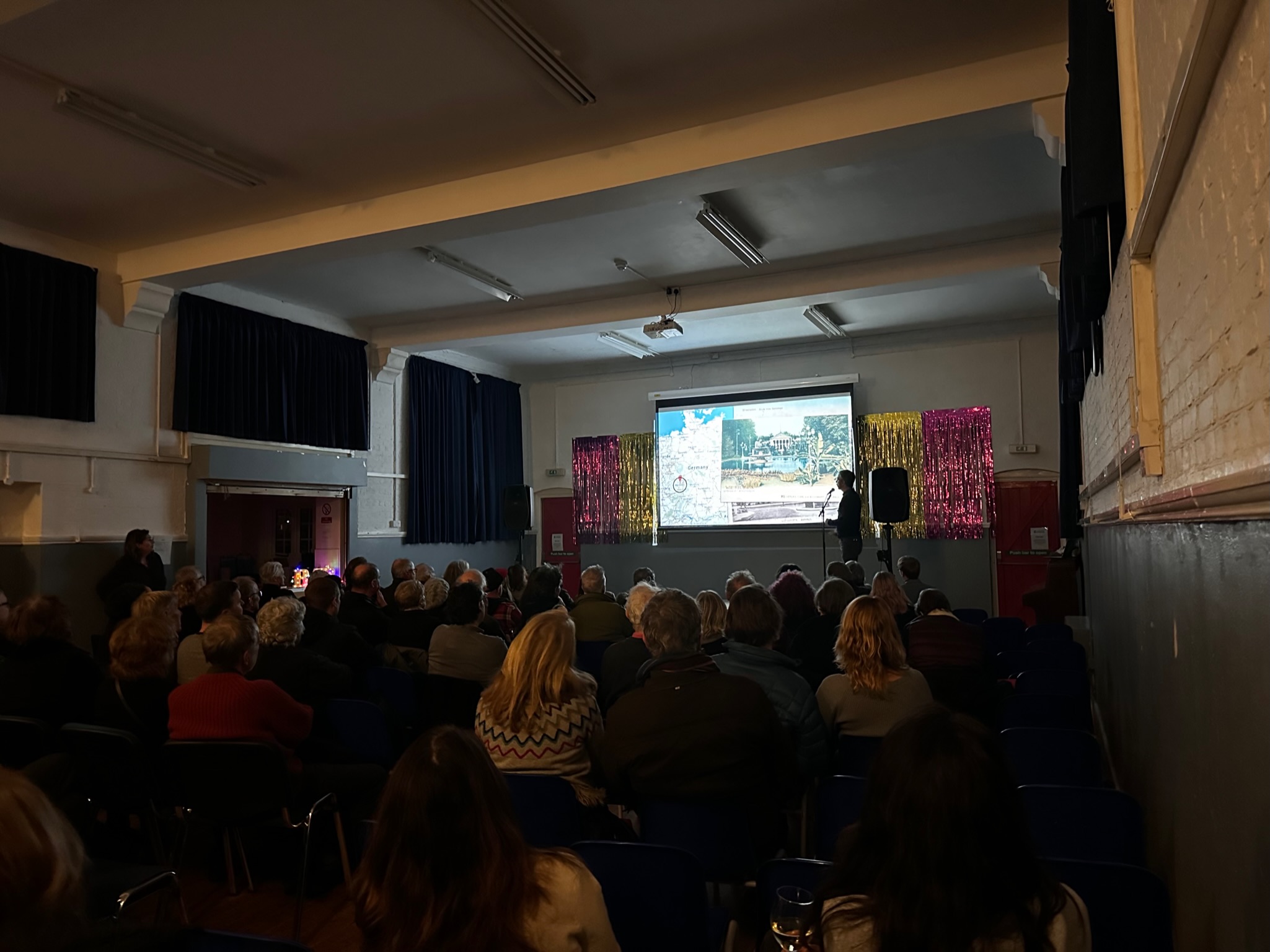
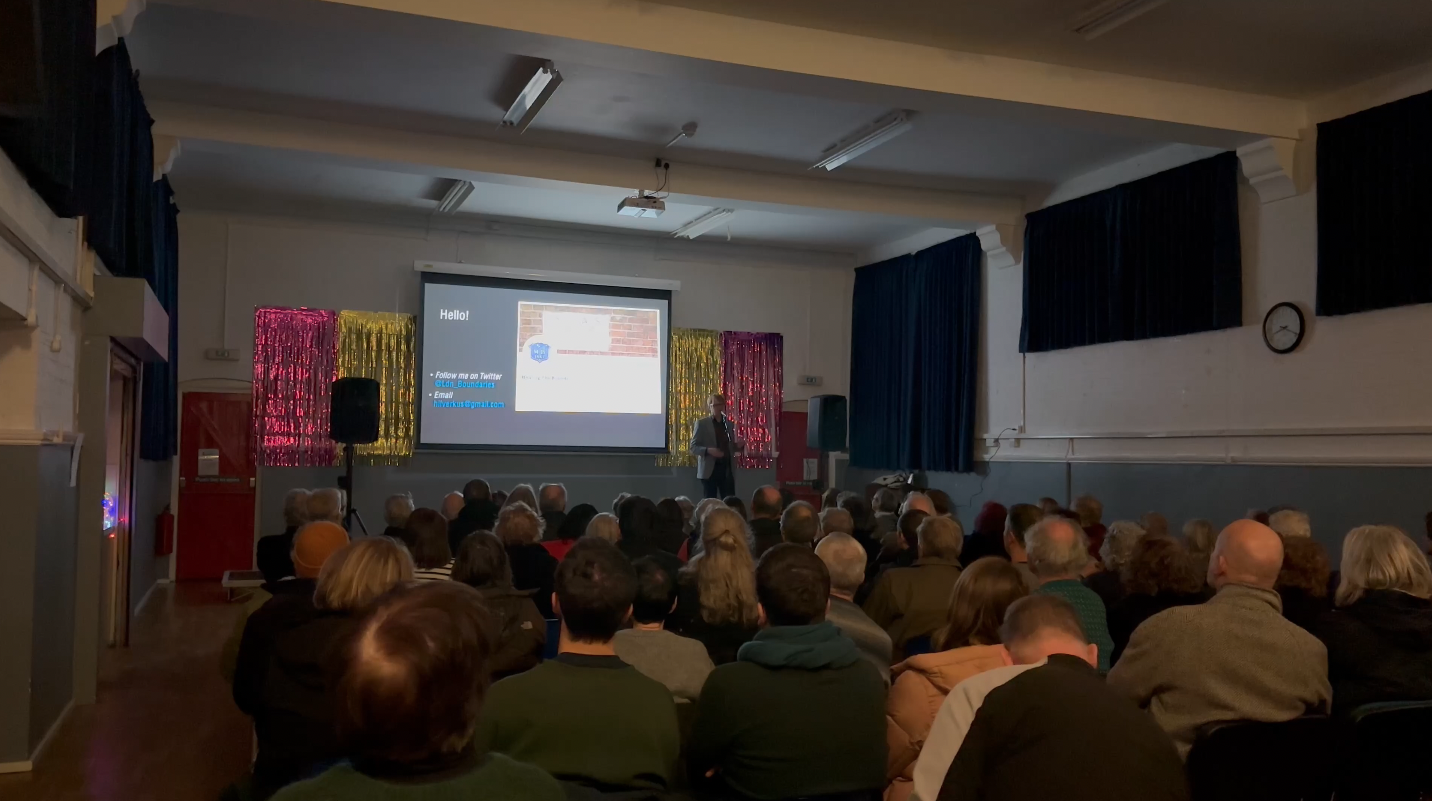
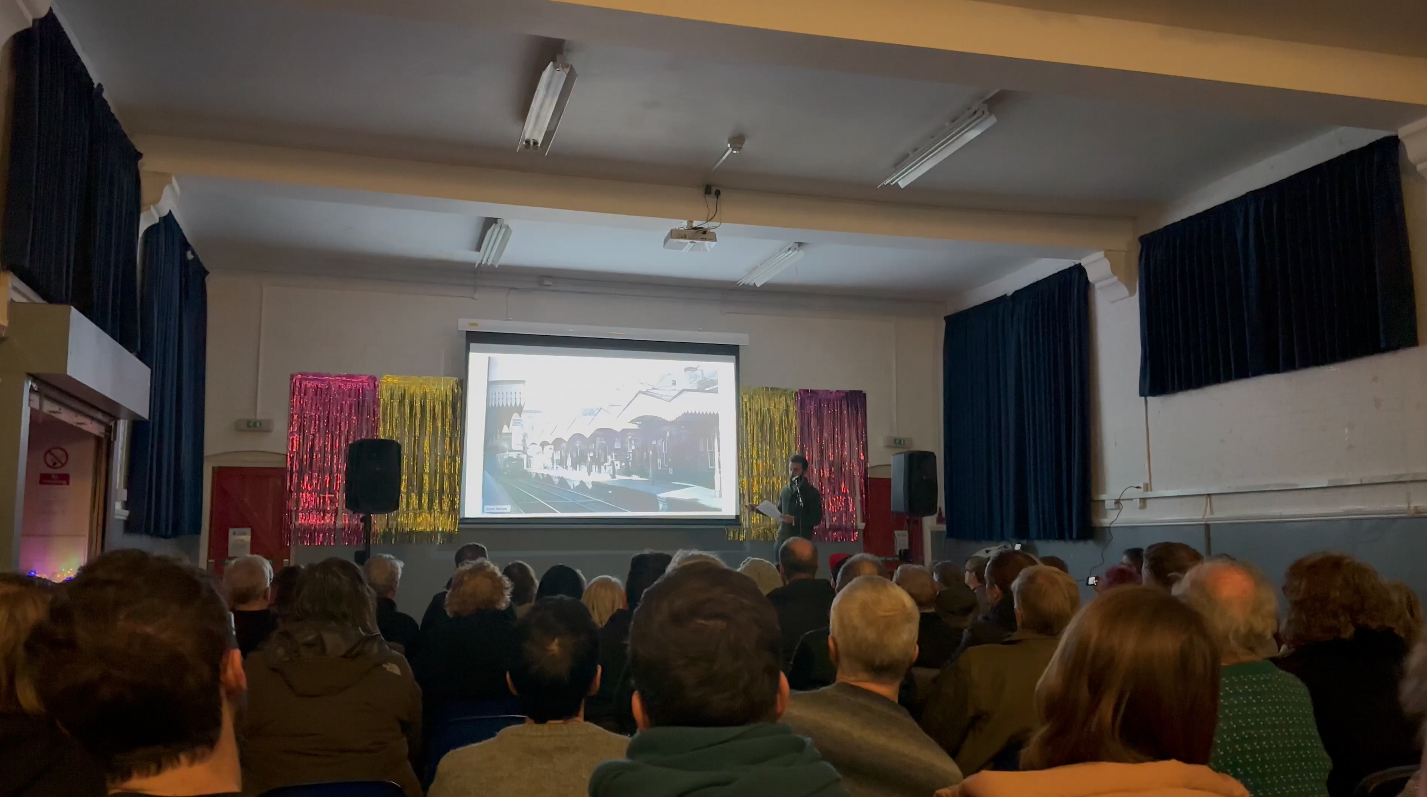
80 people braved the icy pavements and cold evening to gather in St Matthias Halls for the 17th Stoke Newington History Talks event on Dec 12th. It was great to be back hosting an in-person for the first time since the pandemic and seeing many familiar faces. The event sold out in less than 24 hours, which was amazing.
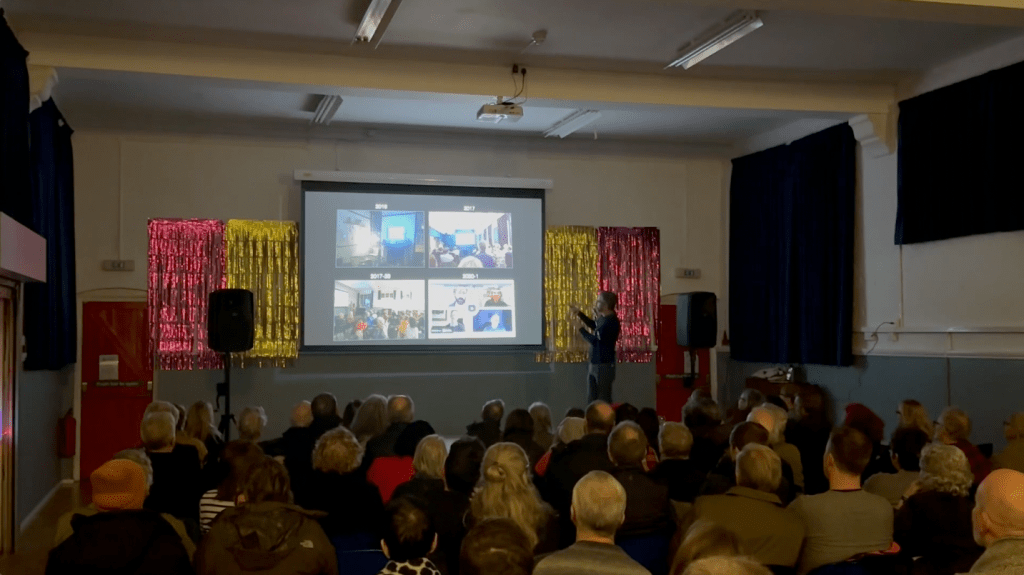
The event raised £730 for WithUkrain.org, the official fundraising effort by Embassy of Ukraine to the UK. This time my talk was about the origin of various street names, Tom Hilverkus gave a fascinating talk about Stoke Newington’s boundaries over the centuries and Simon Kendler closed the event with a highly insightful talk about the history of railways in Stoke Newington.
The presentations
The History of Stoke Newington Street Names by Amir Dotan
Recording
Summary
In this presentation, Amir Dotan explores the fascinating and sometimes enigmatic origins of street names in Stoke Newington. He explains that while some names are straightforward, others reflect the local builders’ backgrounds, historical figures, or shifting political sentiments.
Key highlights from the tour:
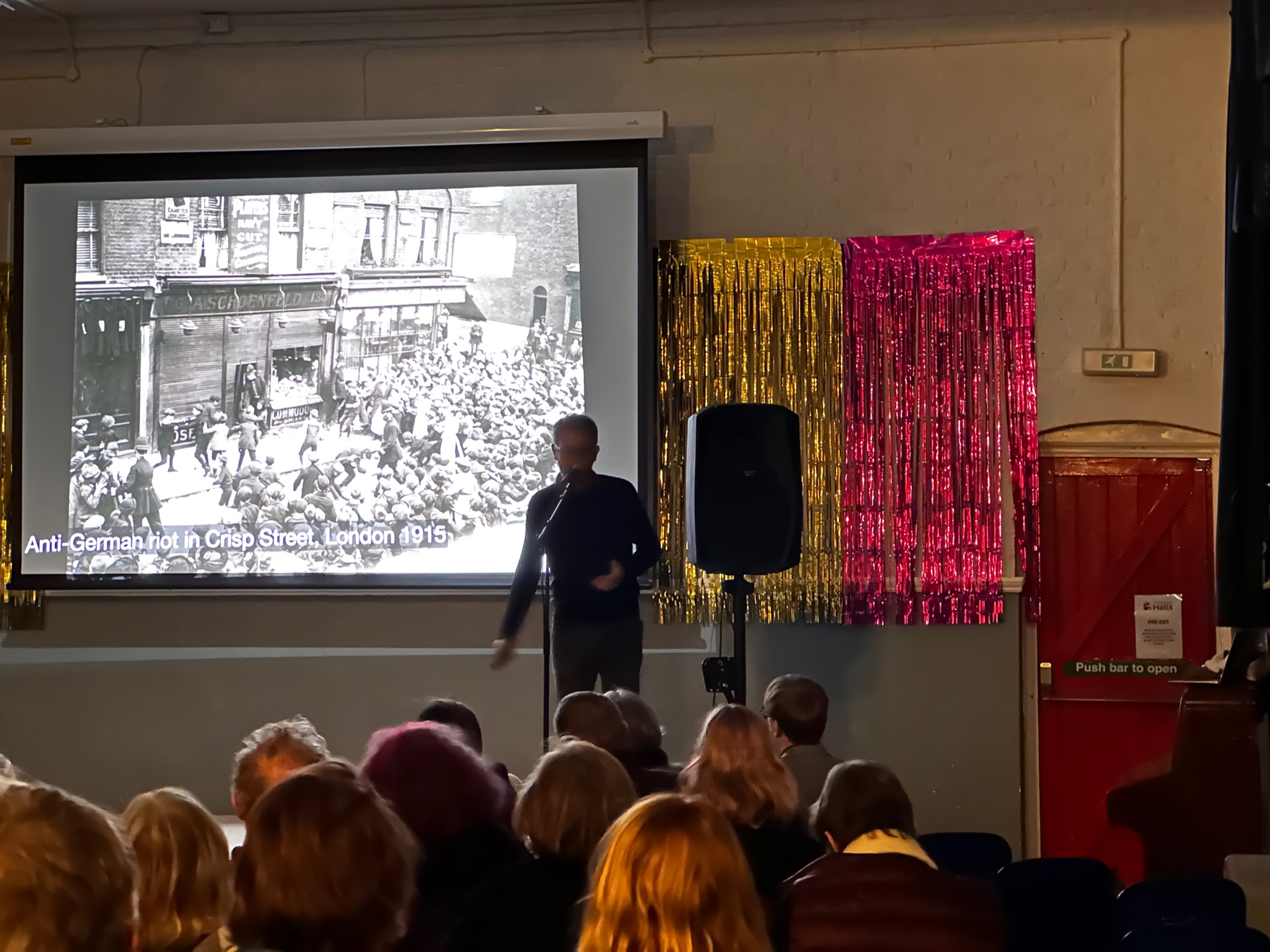
- Belgrade Road (0:57 – 8:13): Originally named Wiesbaden Road after a German spa town, it was renamed following anti-German sentiment during World War I. The renaming process involved a public saga and disagreement between the London County Council and local residents.
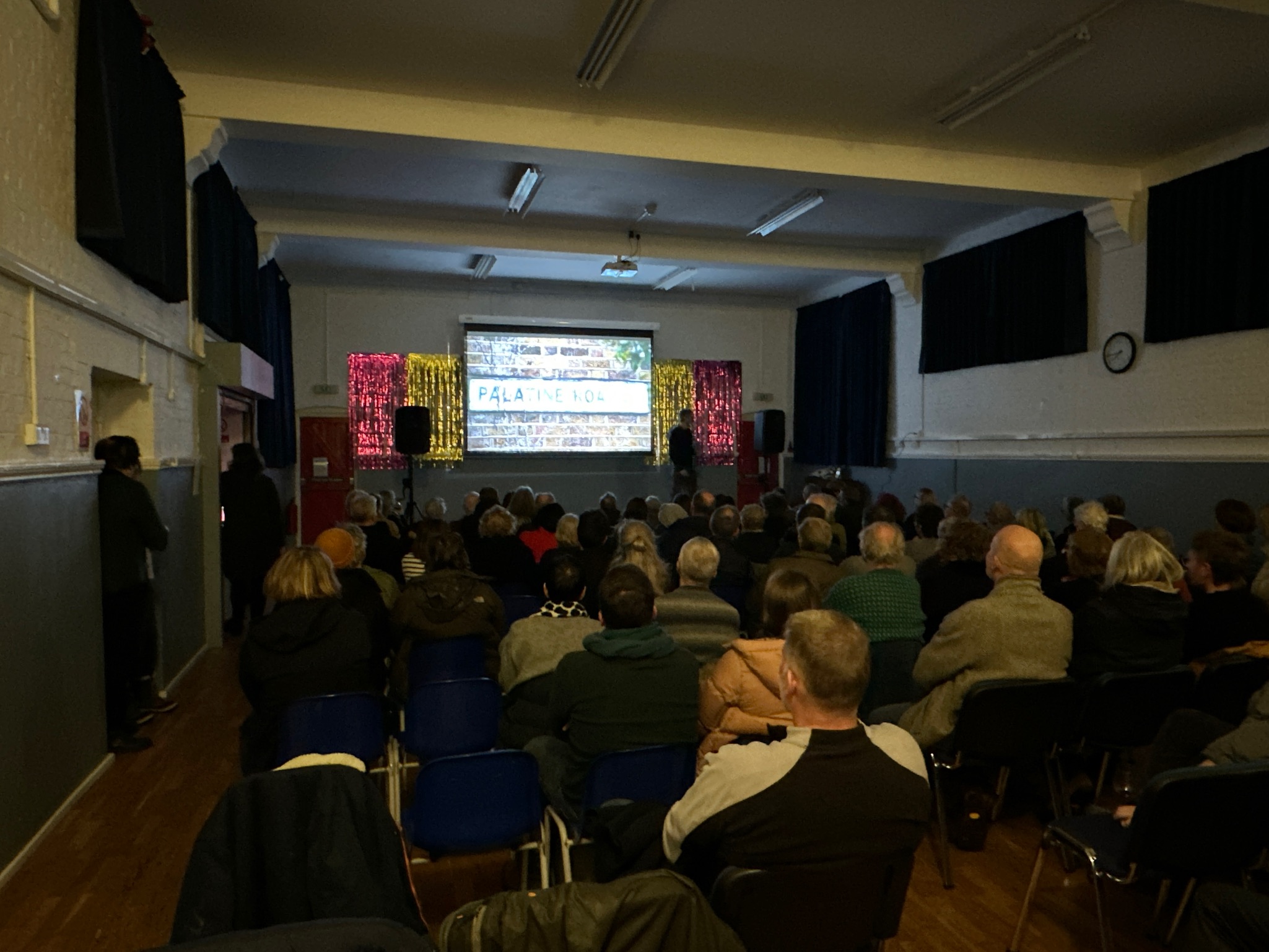
- Palatine Road (8:14 – 9:51): Named after Palatine refugees who were provided land in the area by the parish as an act of generosity.
- Summer House Road (9:52 – 11:31): Named after the original mansion that once stood on the site. Its most famous resident, James Stephen, was a key figure in the campaign for the abolition of the slave trade.
- Fleetwood Street (11:32 – 13:48): Built on the site of Fleetwood House (1635), a 60-room mansion. Dotan notes that when such houses were demolished, their features were carefully auctioned off rather than simply destroyed.
- Edwards Lane (13:51 – 14:50): Named after local builder Job Edwards, who was responsible for constructing several grand homes in the area.
- Grazebrook Road (14:52 – 16:06): Named after the Hackney Brook, a river that was later covered over and converted into the sewer system.
- Clissold Road (16:09 – 17:16): Named after the Reverend Augustus Clissold, who married into the estate that is now Clissold Park.
- Town Hall Approach (17:17 – 19:06): A small footpath that serves as a remnant of the former South Hornsey municipal area, which had its own town hall before it was demolished in 1960.
- Howard Road (19:07 – 20:38): Believed to be named after the philanthropist and prison reformer John Howard, reflecting the area’s history of supporting radical social causes.
Slides
Photos
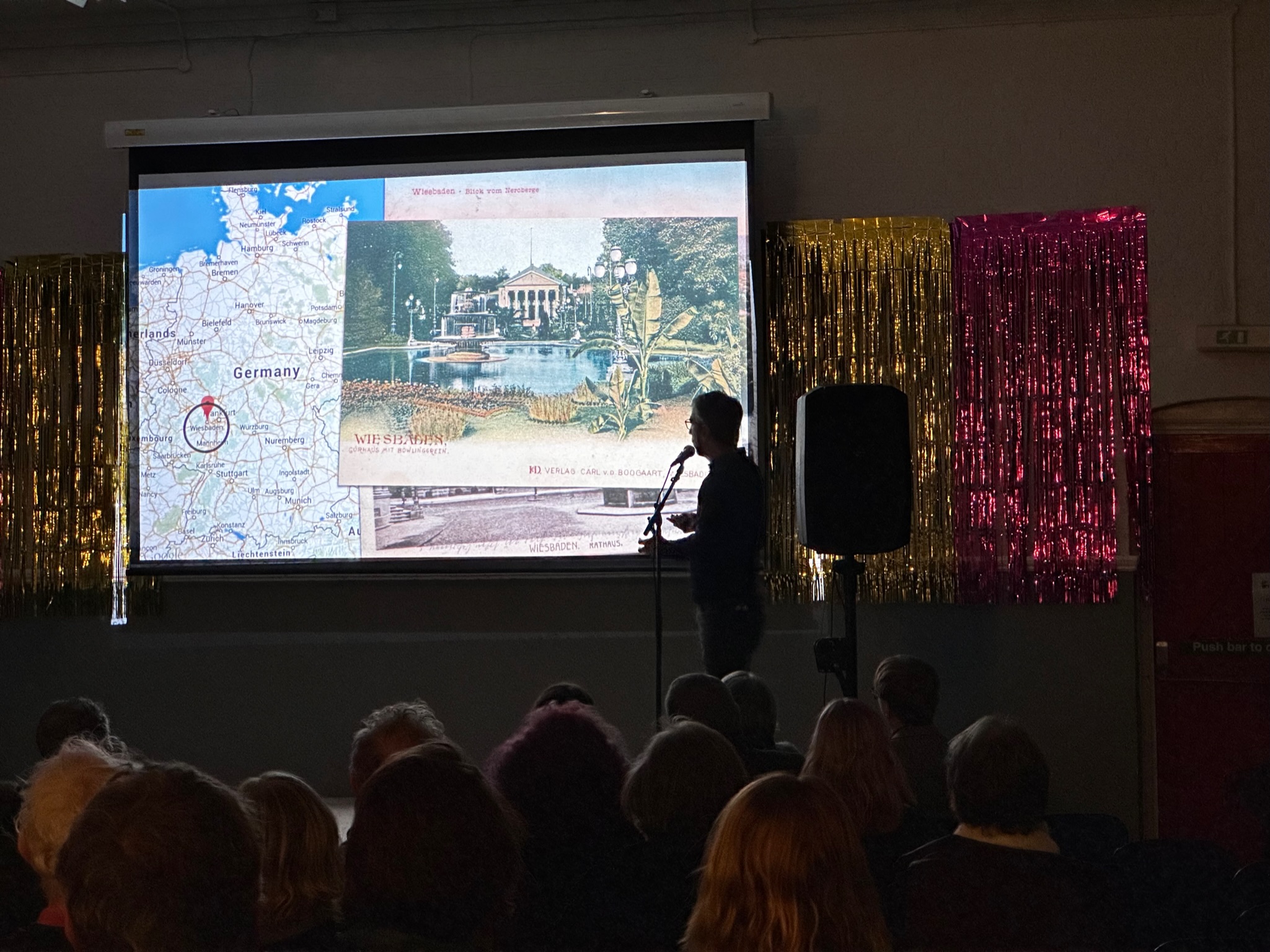
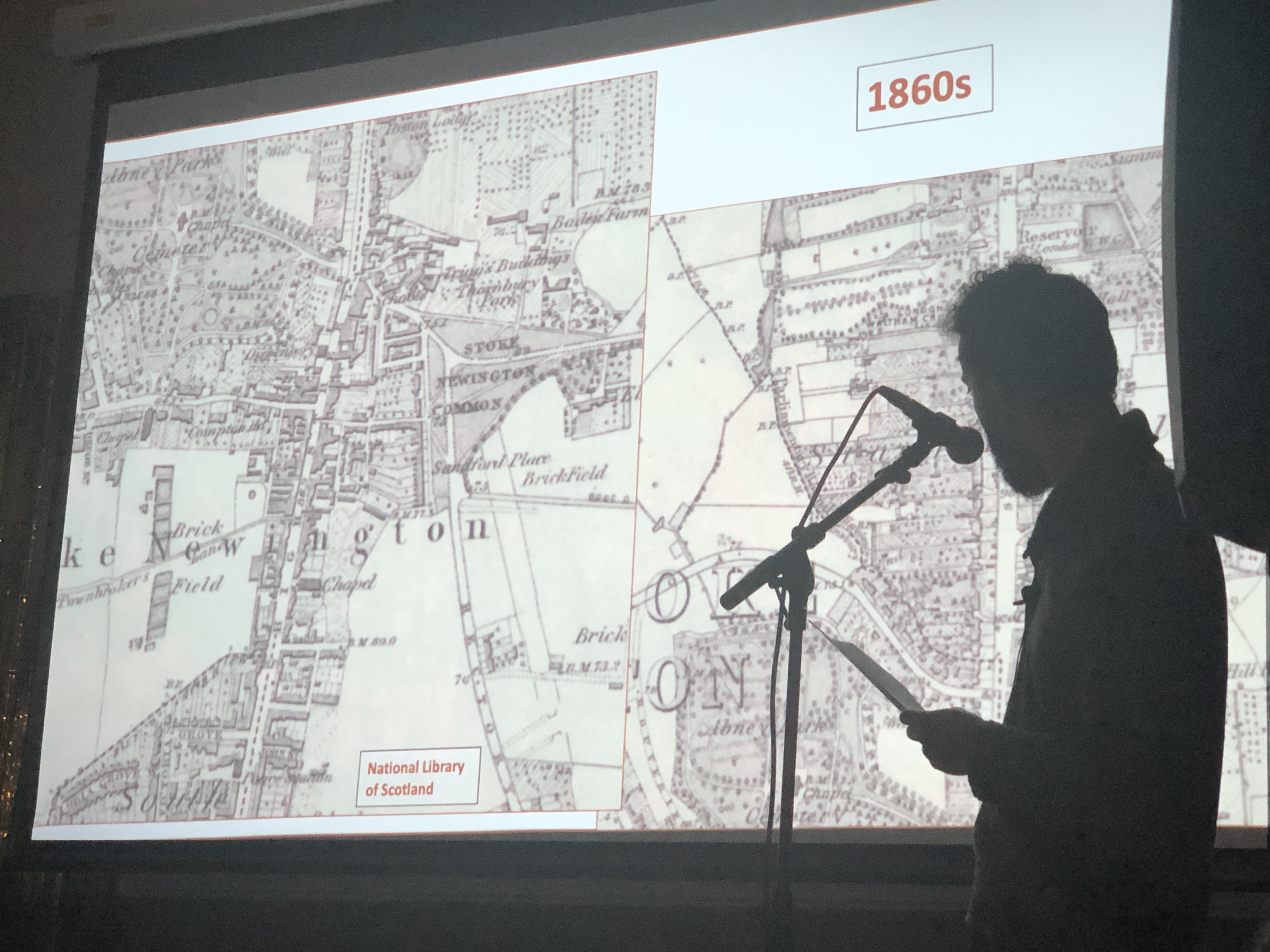
The Boundaries of Stoke Newington – From Parish to Borough by Tom Hilverkus
Recording
Summary
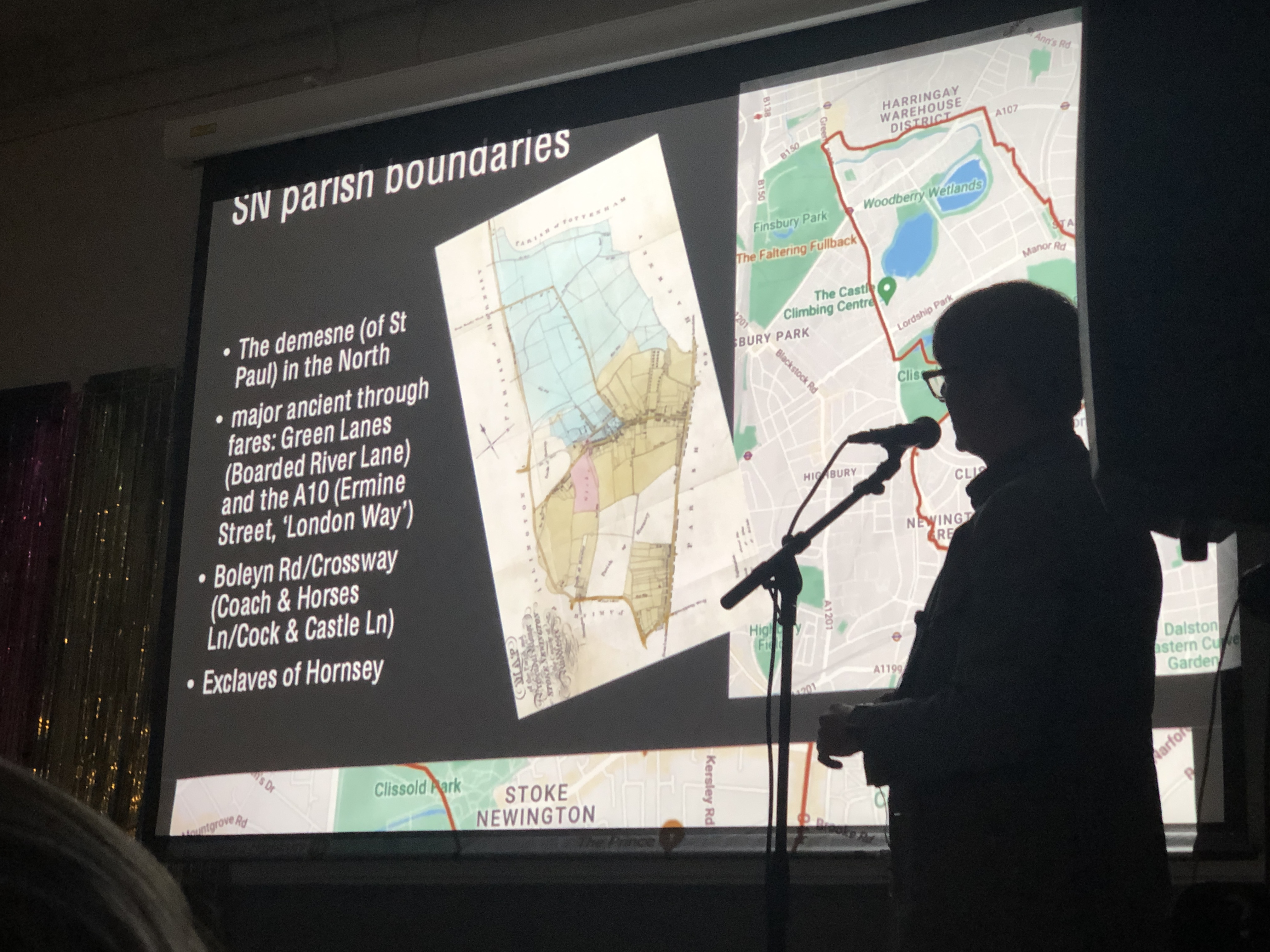
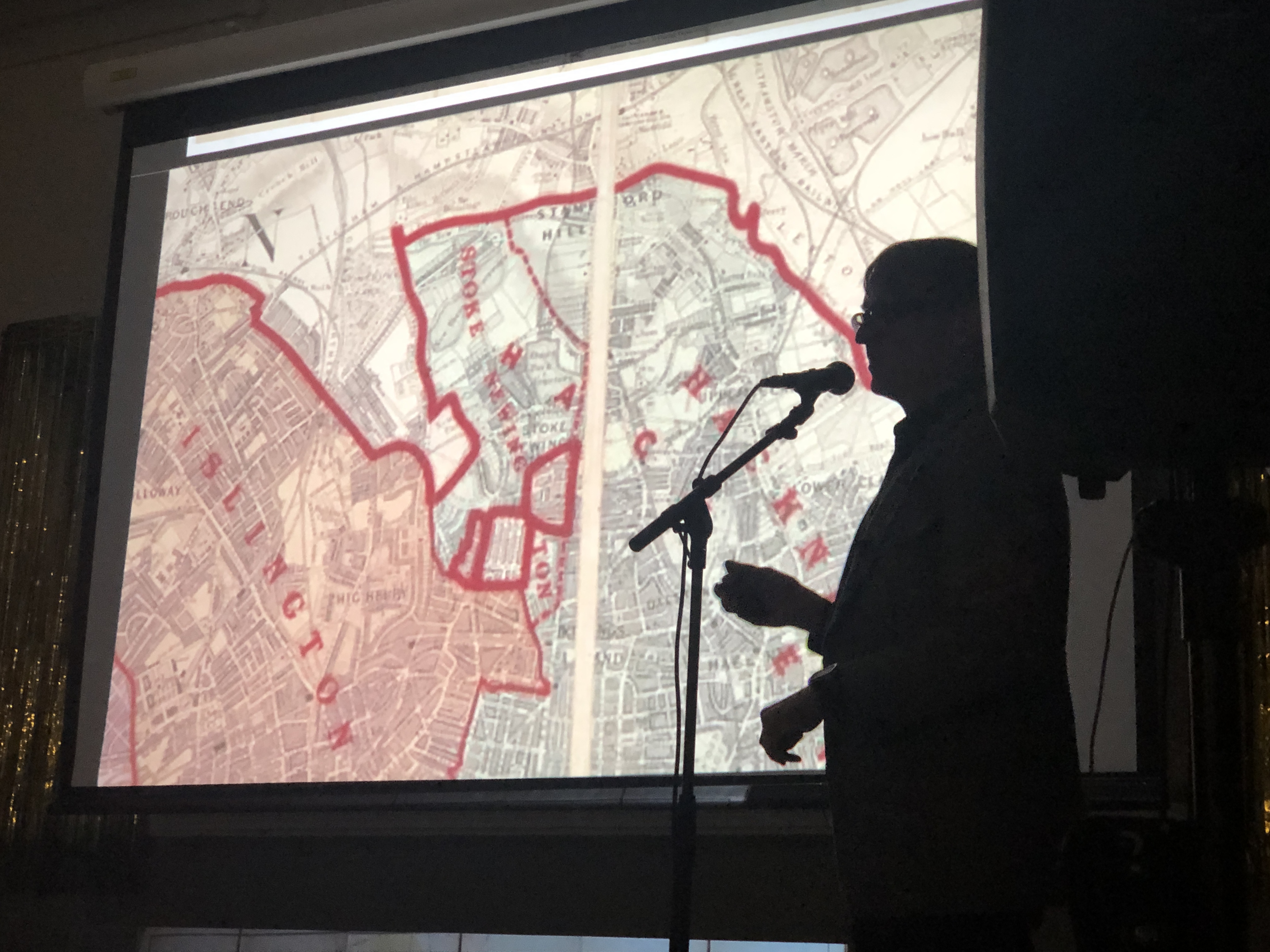
This presentation explores the historical evolution of the boundaries of Stoke Newington, tracing them from ancient parishes to the modern borough. Tom Hilverkus explains that current local government borders are often rooted in geography and administrative history dating back centuries.
Key Highlights:
- Ancient Roots: Many boundaries follow 2,000-year-old routes, such as the A10 (Ermine Street), and natural features like local rivers (0:52-2:09).
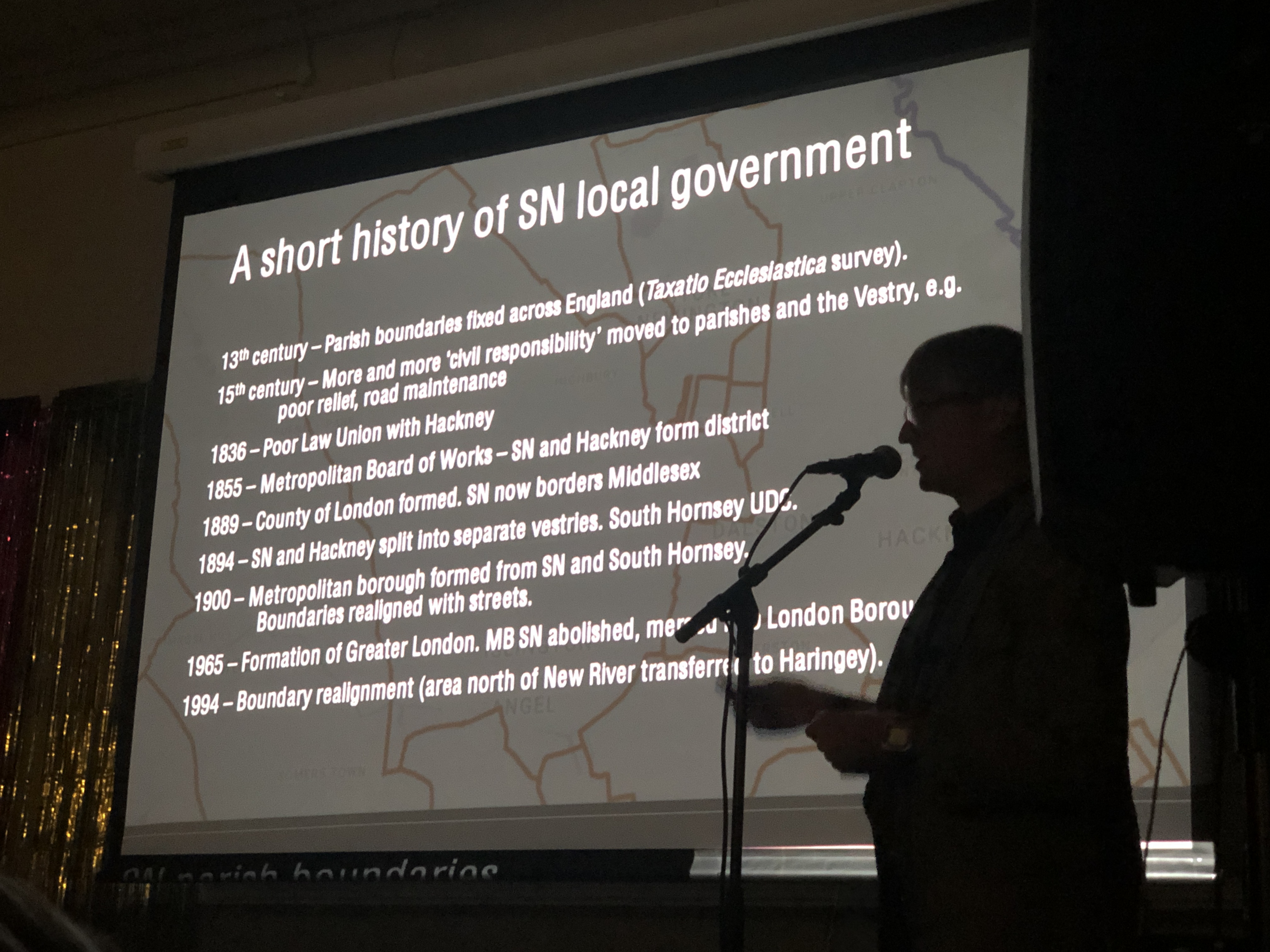
- The Parish System: Stoke Newington was established as a recognized parish by the 13th century. Boundaries became fixed over time due to taxation surveys and local agreements, creating a pattern of parishes and occasional “exclaves” where land ownership crossed parish lines (4:59-6:12).
- Metropolitan Developments: In 1855, the Metropolitan Board of Works was formed to manage rapid urban growth. Later, in 1900, the Metropolitan Borough of Stoke Newington was created, which uniquely incorporated the area of South Hornsey (7:51-13:42).
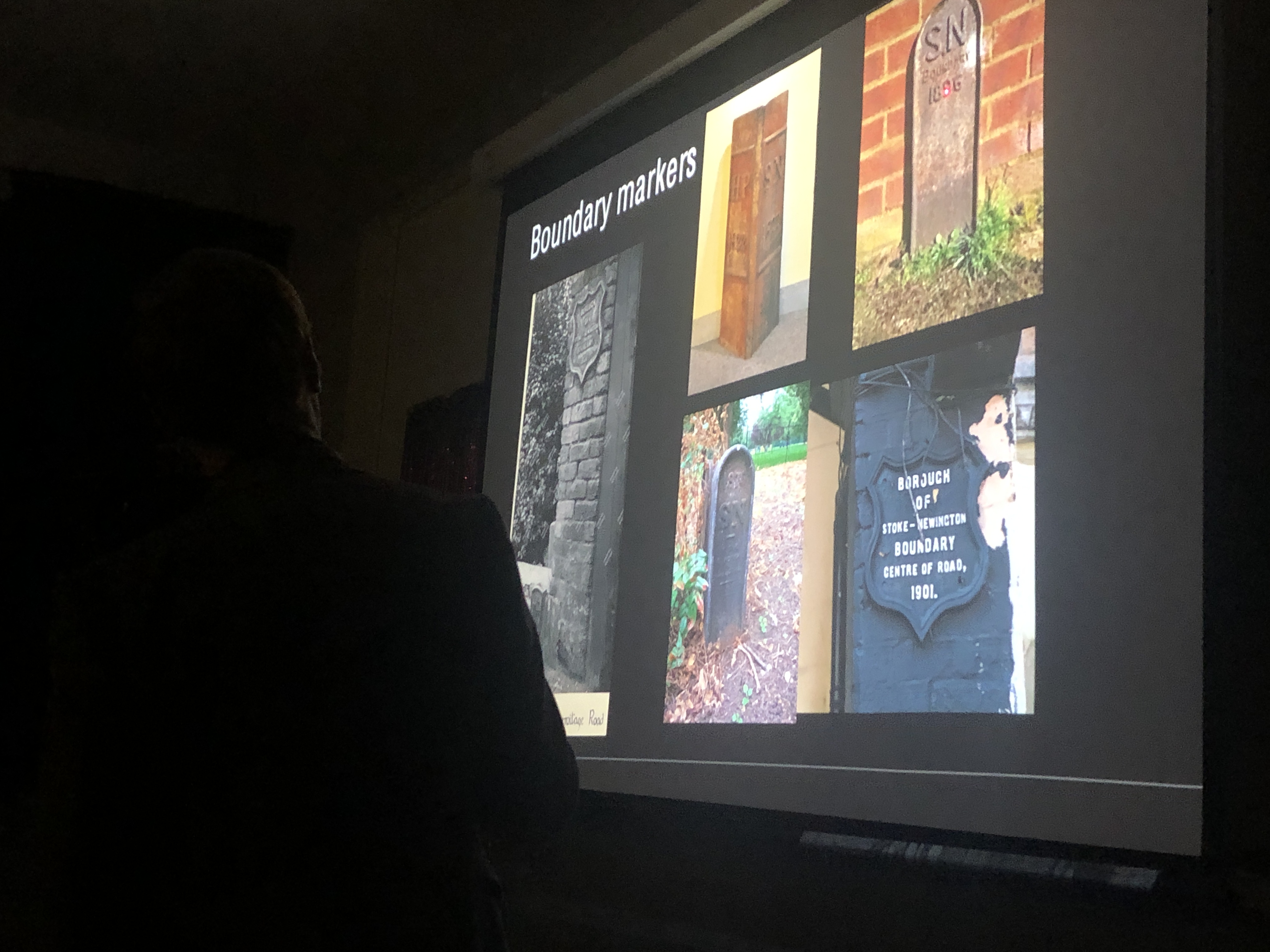
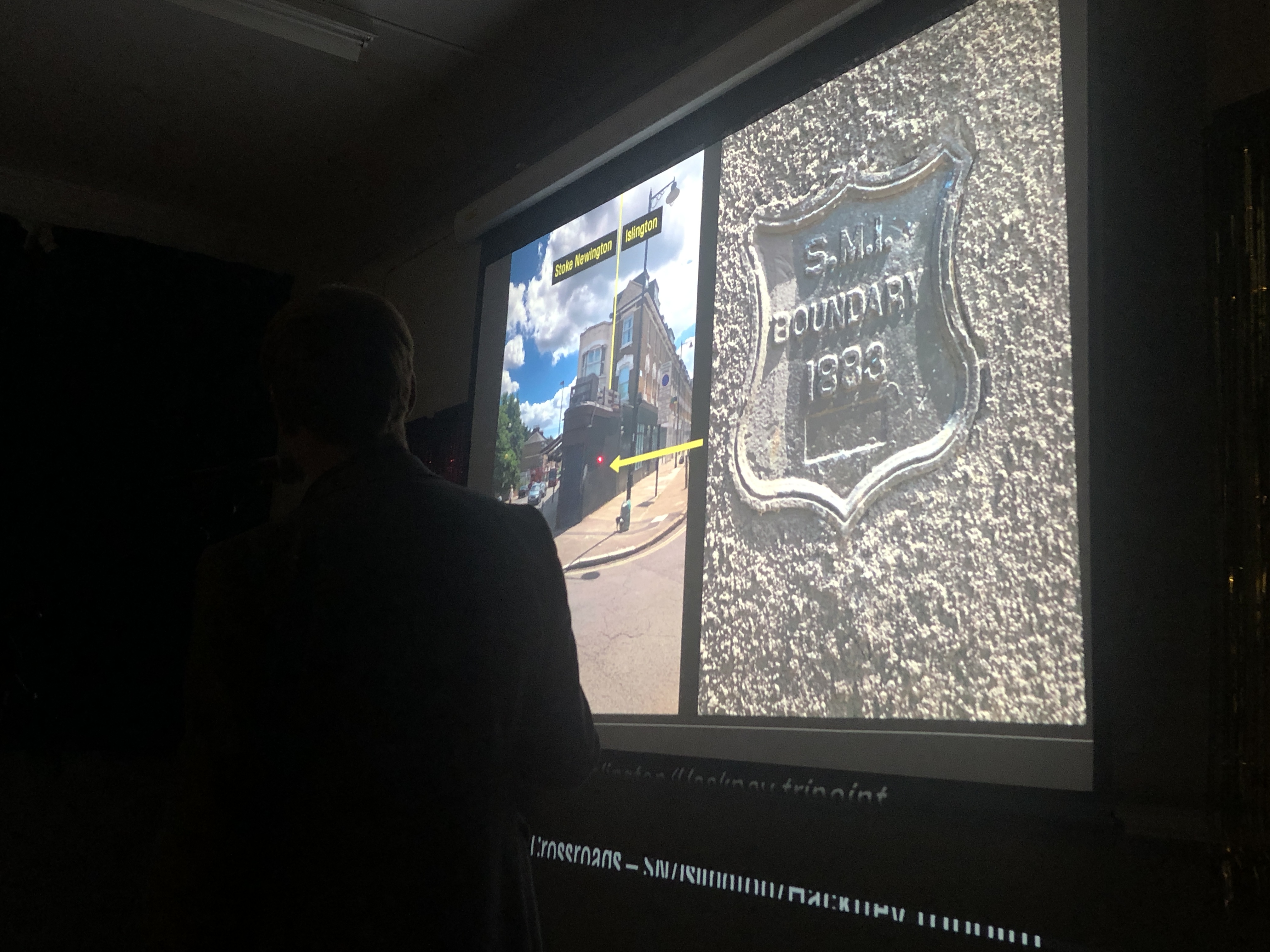
- Modern Boundaries & Markers: The speaker discusses how boundaries were “tidied up” in the 20th century to align with the centers of roads rather than cutting through buildings. He also highlights the importance of surviving boundary markers—stone or metal plates—which serve as physical reminders of the area’s shifting administrative past (16:15-20:56).
- Legacy: Today, Stoke Newington is no longer an independent political unit but is part of the London Borough of Hackney, though remnants of its historic identity persist in ward names and surviving infrastructure (21:09-21:53).
Video excerpt
Slides
Photos
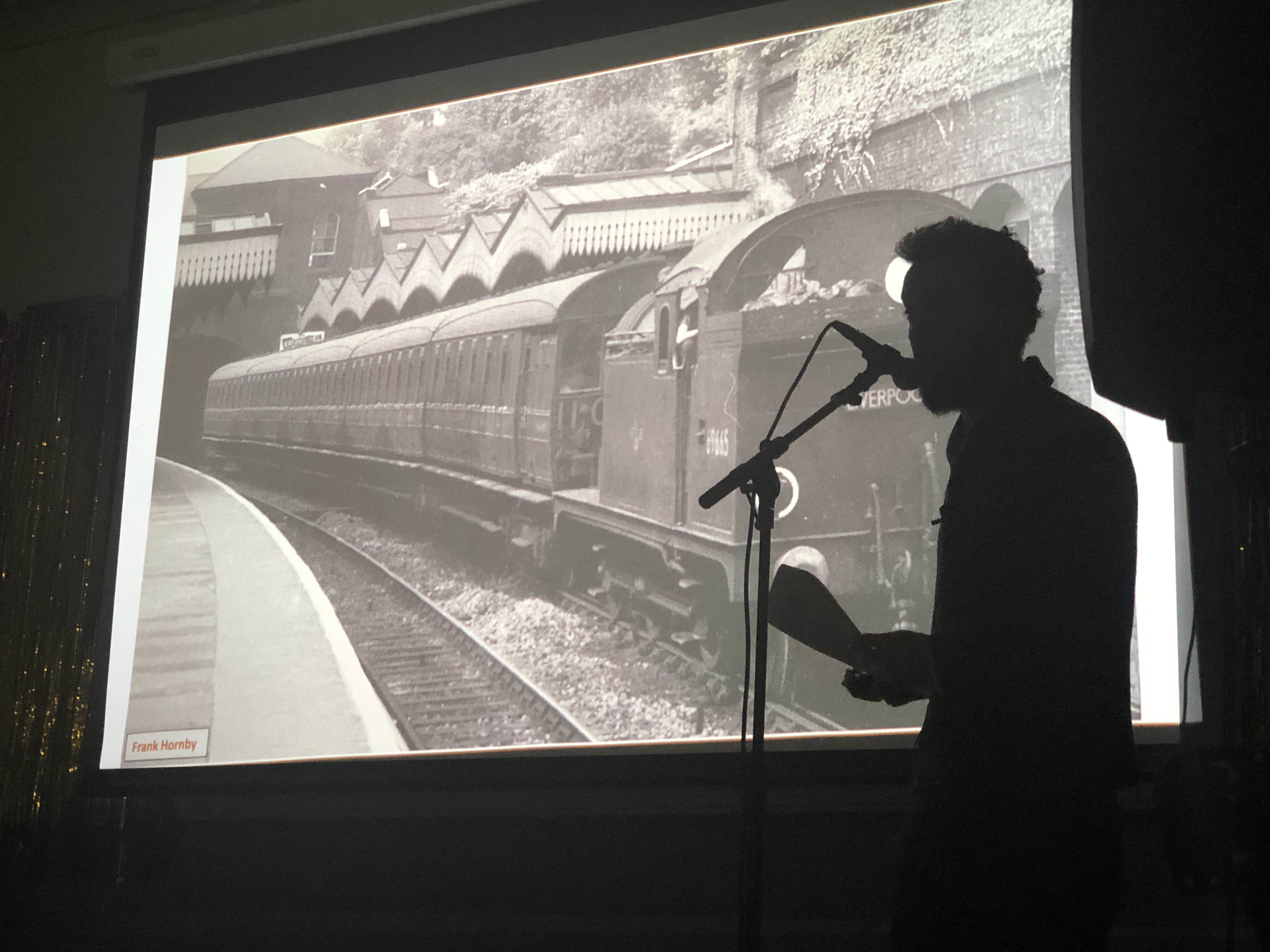
A History of the Railways in Stoke Newington by Simon Kendler
Recording
Summary
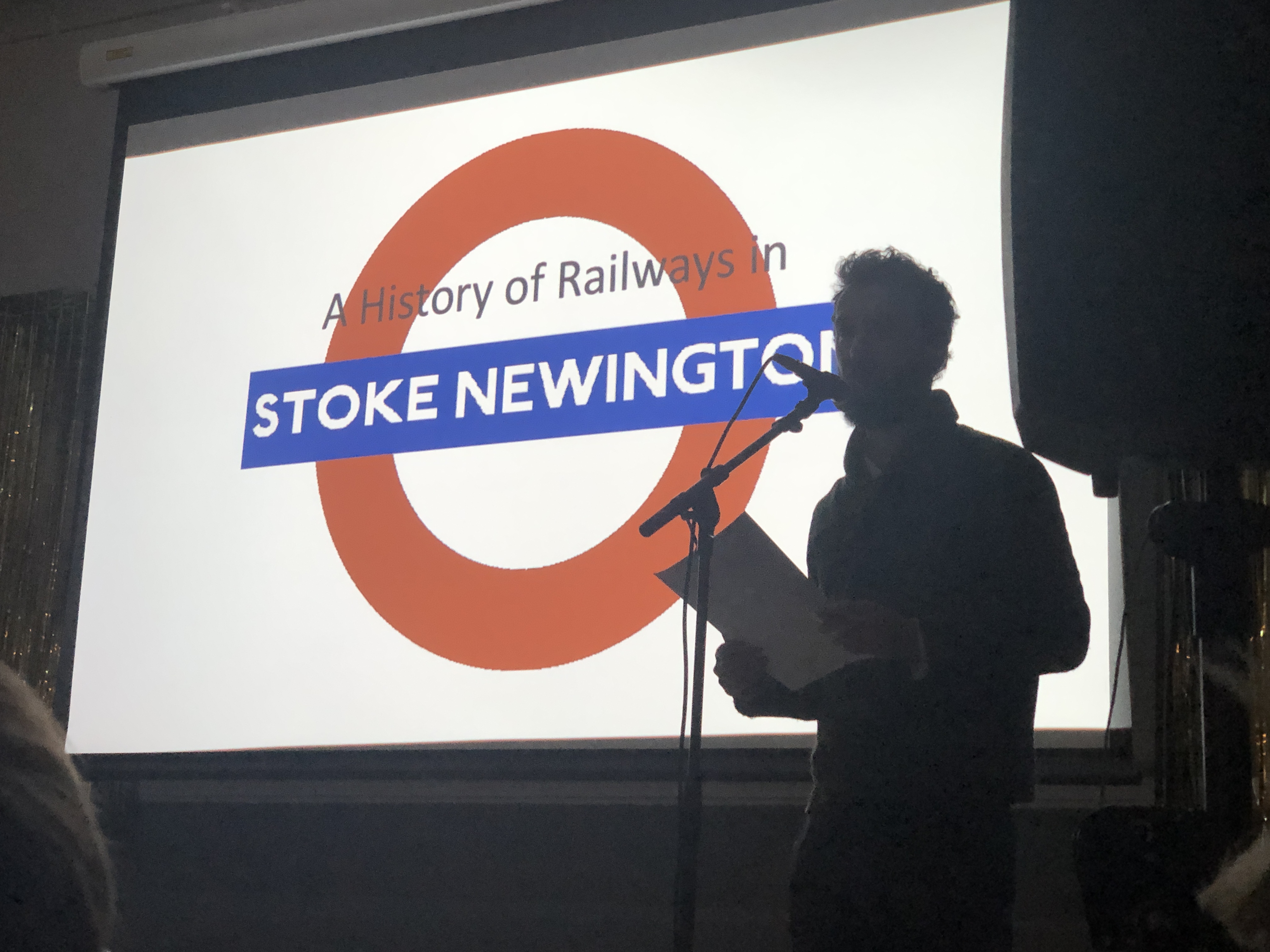
This presentation by Simon Kendler provides an engaging history of the railway network in Stoke Newington, tracing its development from the mid-19th century to the present day.
Key takeaways include:
- Railway Origins: The talk begins with the arrival of the first London railways in the 1830s, explaining how the Eastern Counties Railway shaped development along the River Lee (0:48 – 2:30).
- The Stoke Newington Line: Construction of the branch serving Stoke Newington and Edmonton began in the late 1860s. The line was crucial for bringing commuters into the city, particularly through the introduction of “workman’s fares” which stimulated major housing development in the area (5:00 – 9:00).
- Lost Underground Plans: A fascinating segment covers the various, often competitive, plans for underground tube lines that were intended to serve Stoke Newington in the early 20th century, including the London, Walthamstow and Epping Forest Railway and the Piccadilly, City and Northeast London Railway (12:10 – 16:15).
- Station Evolution: The speaker discusses how station architecture changed, noting the original Great Eastern Railway designs with “dagger boards” (named after the back end of sheep) and how subsequent modernizations—driven by cost-saving and rateable value concerns—resulted in the simpler, modular station designs seen today (9:27 – 10:35, 17:53 – 19:40).
- Modern Era: The presentation concludes with the transition of the line into the London Overground network, highlighting the introduction of modern Class 710 trains and the positive impact of TfL involvement on current service levels (20:40 – 21:40).
Video excerpts
Slides
Photos

 Stoke Newington History