
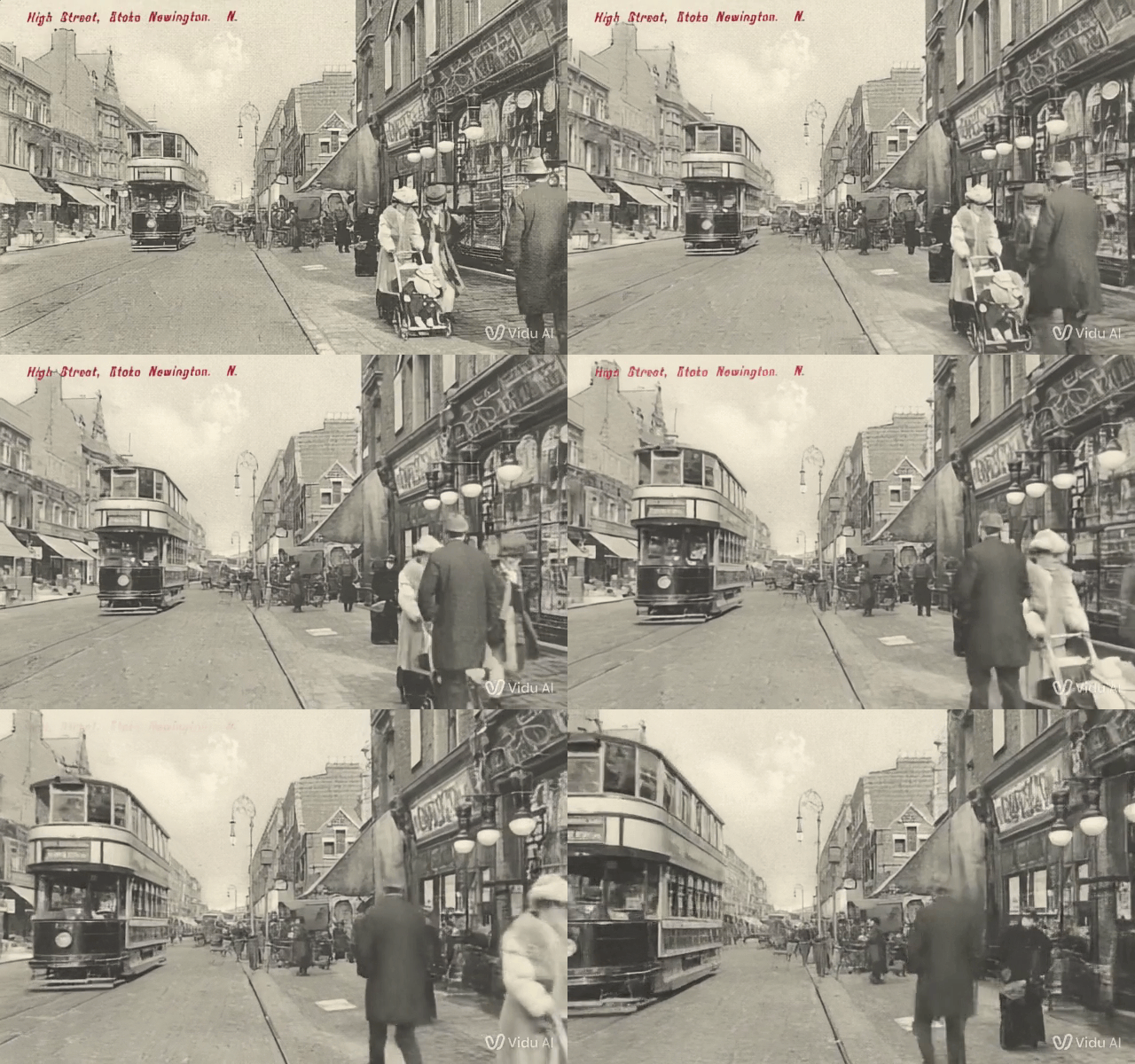
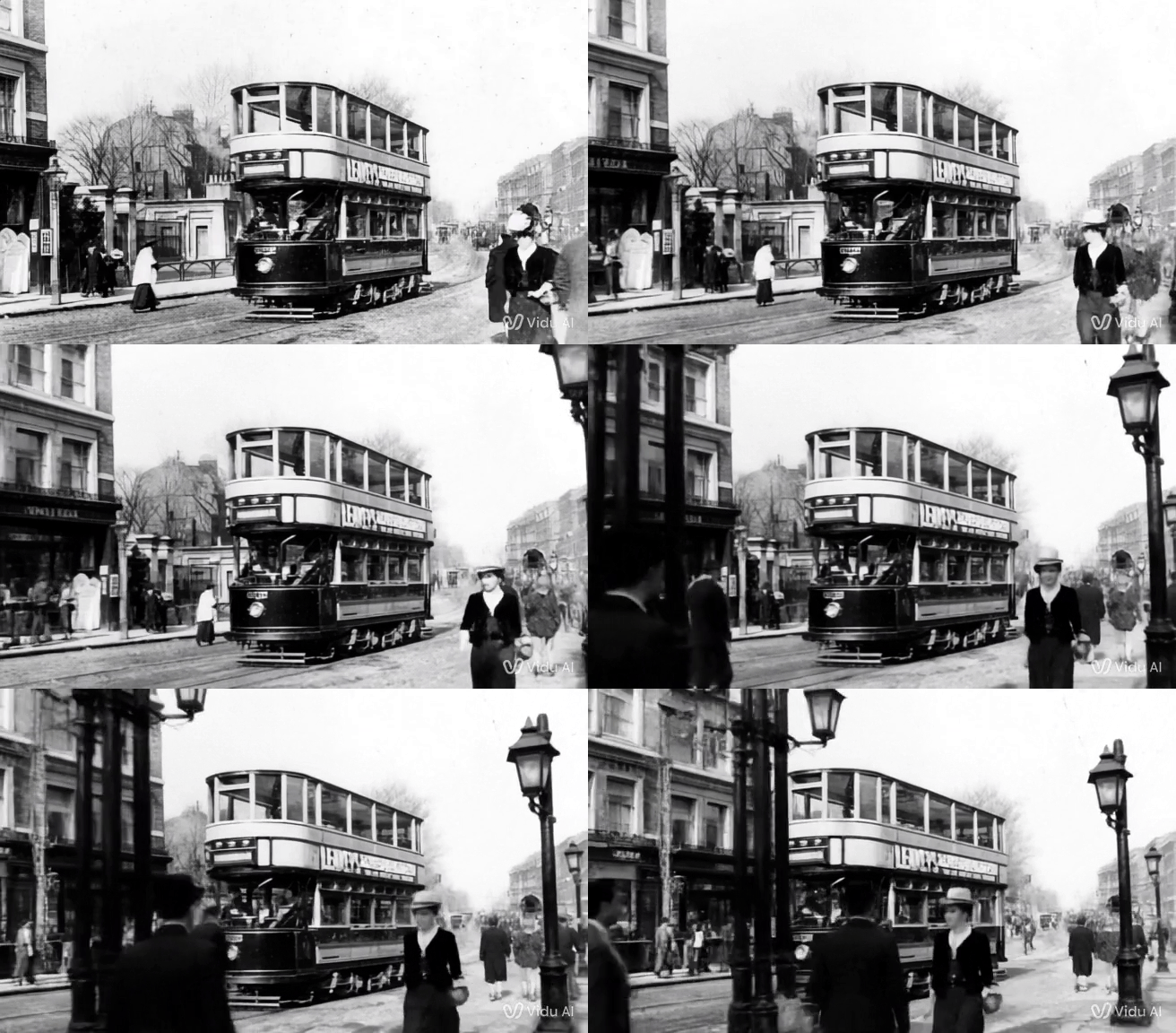
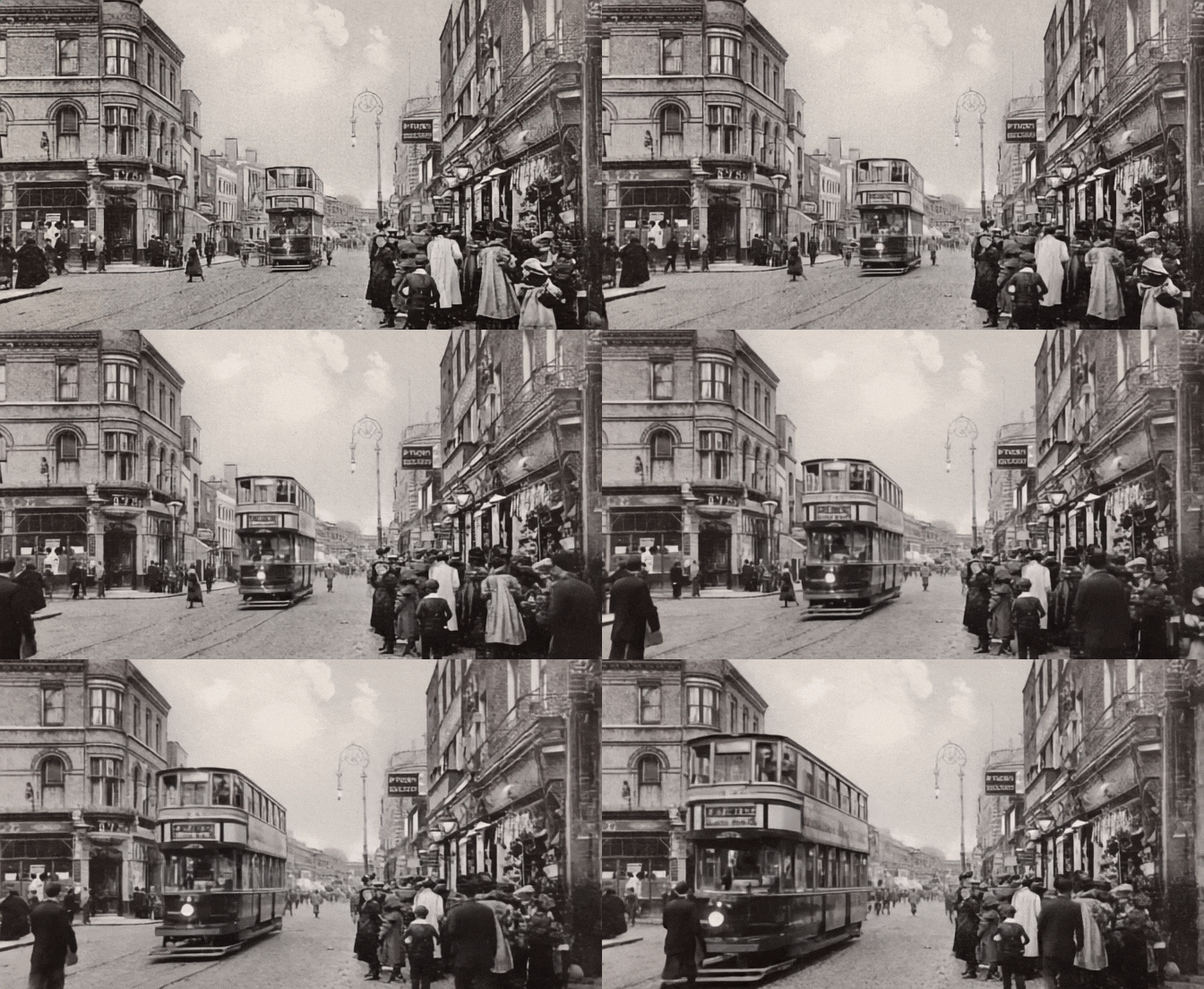
When you look at an old photo, you can often imagine what might have happened just after it was taken—the people moving, a horse-drawn cart rolling by, or a shopkeeper stepping out of their store. AI-powered tools that turn still images into short videos work in much the same way, using advanced technology to analyse photos and predict realistic motion.
As a local historian with a keen interest in how technology can help us visualise the past, I use AI to animate archival photos of Stoke Newington. These short 4-8 second clips bring historic images to life, offering a glimpse into moments that were once frozen in time—whether it’s a busy high street, a familiar landmark, or an everyday scene from the past. Of course, it’s impossible to know if that’s exactly what really happened, but the result can sometimes feel like a close enough approximation. While AI could, if instructed, add a spaceship or a tidal wave to a scene for example, I find that when the focus is on subtle movement and maintaining realism, the results can be quite impactful.
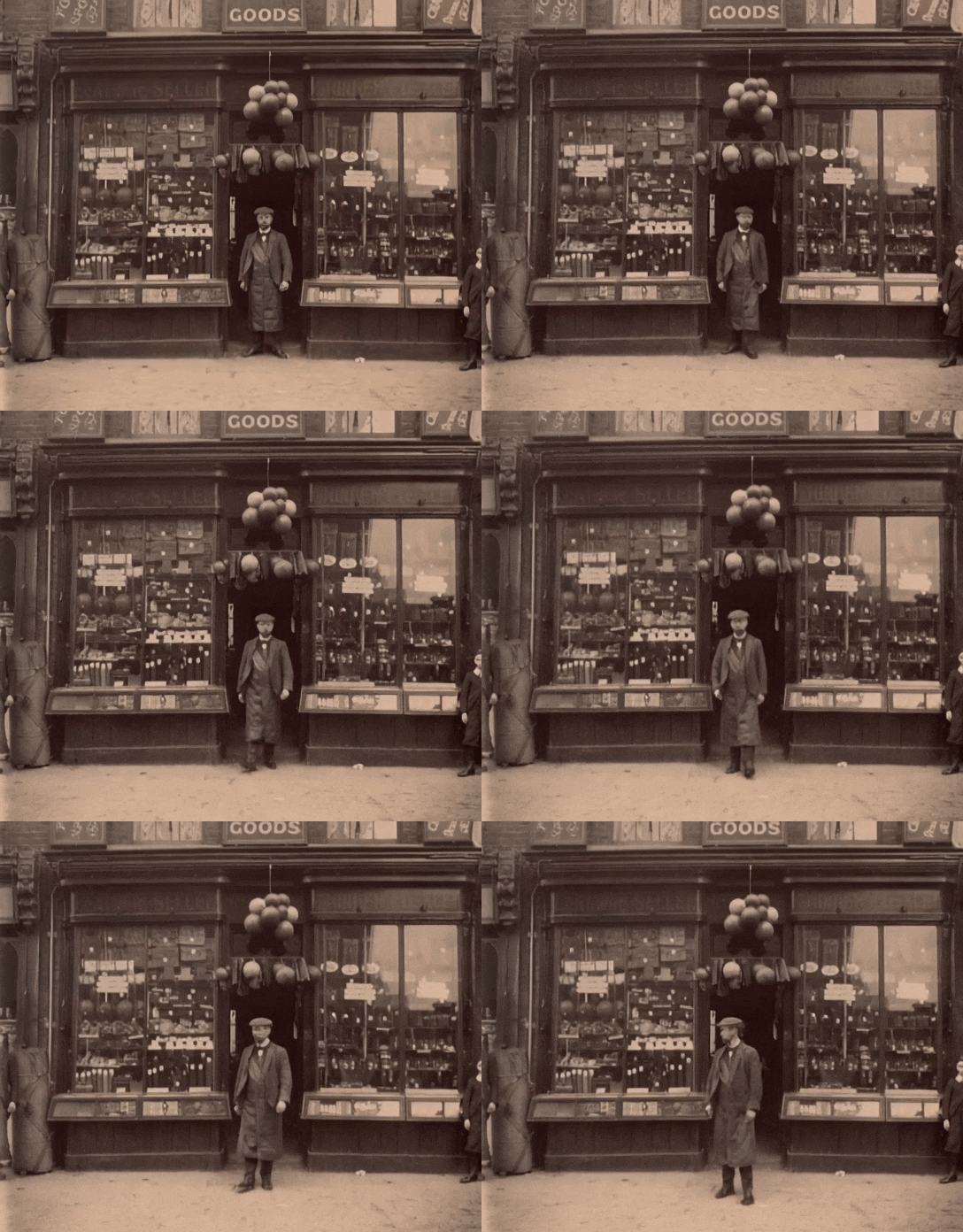

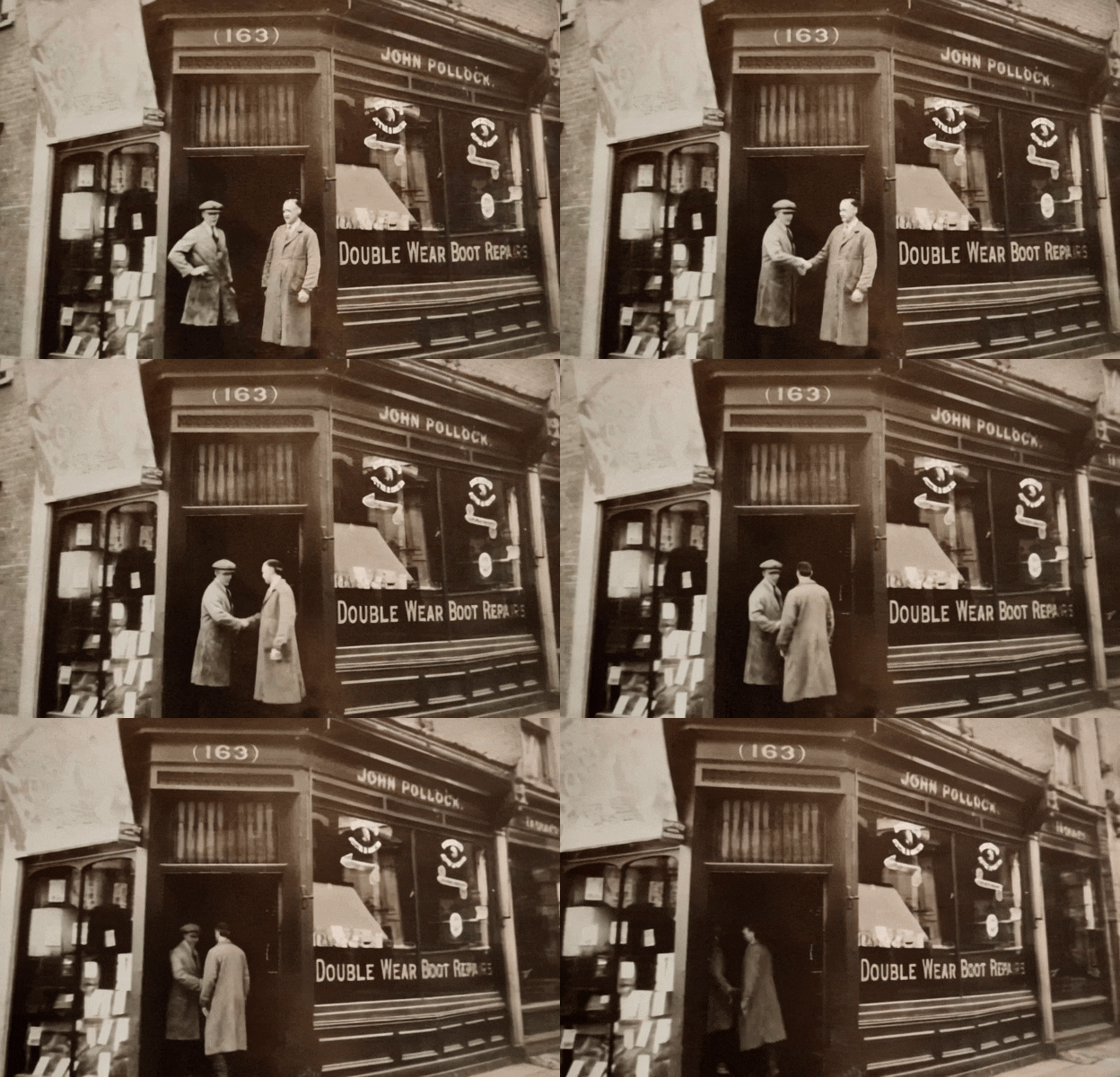


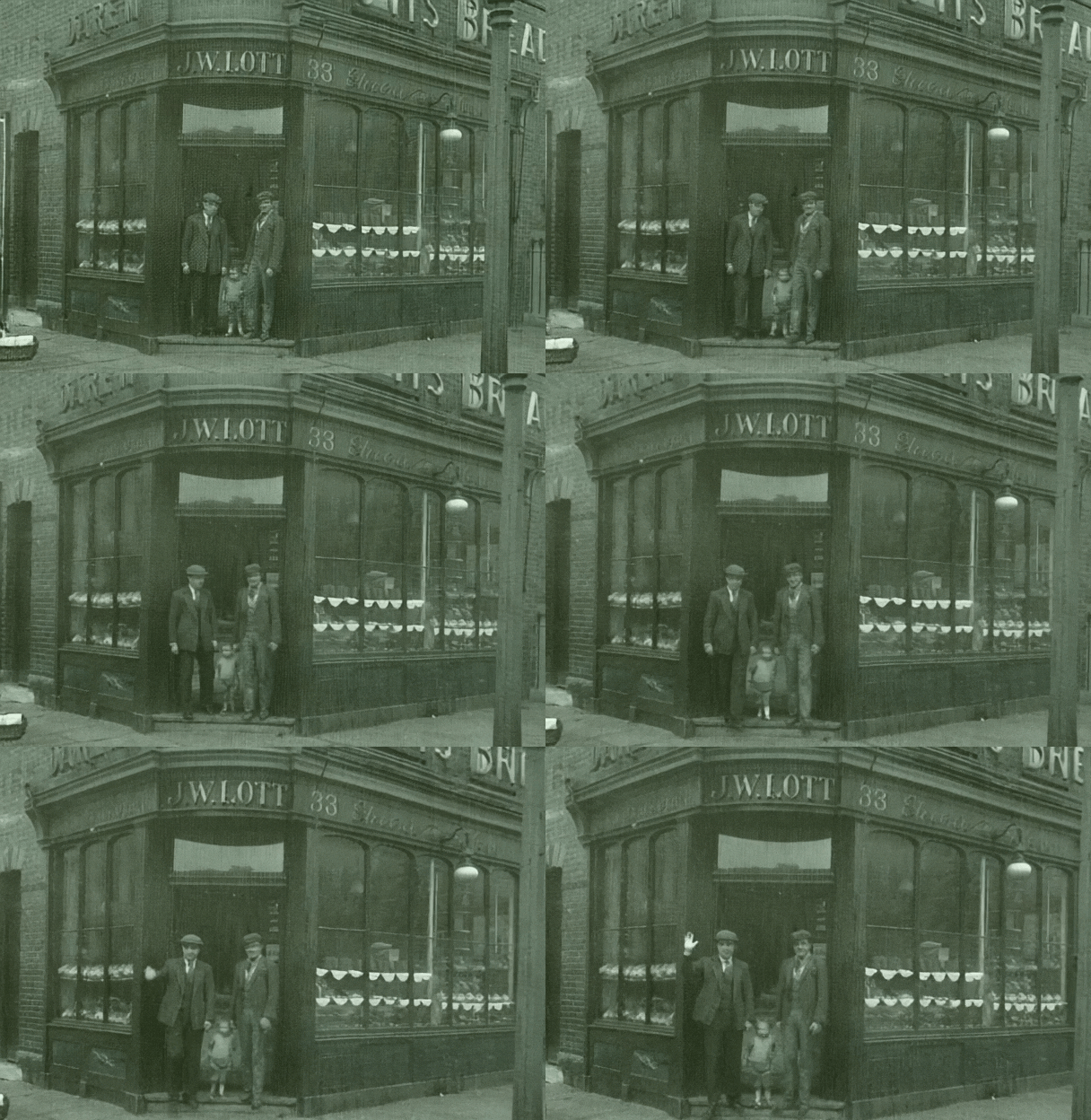
Stoke Newington Church Street, 1922
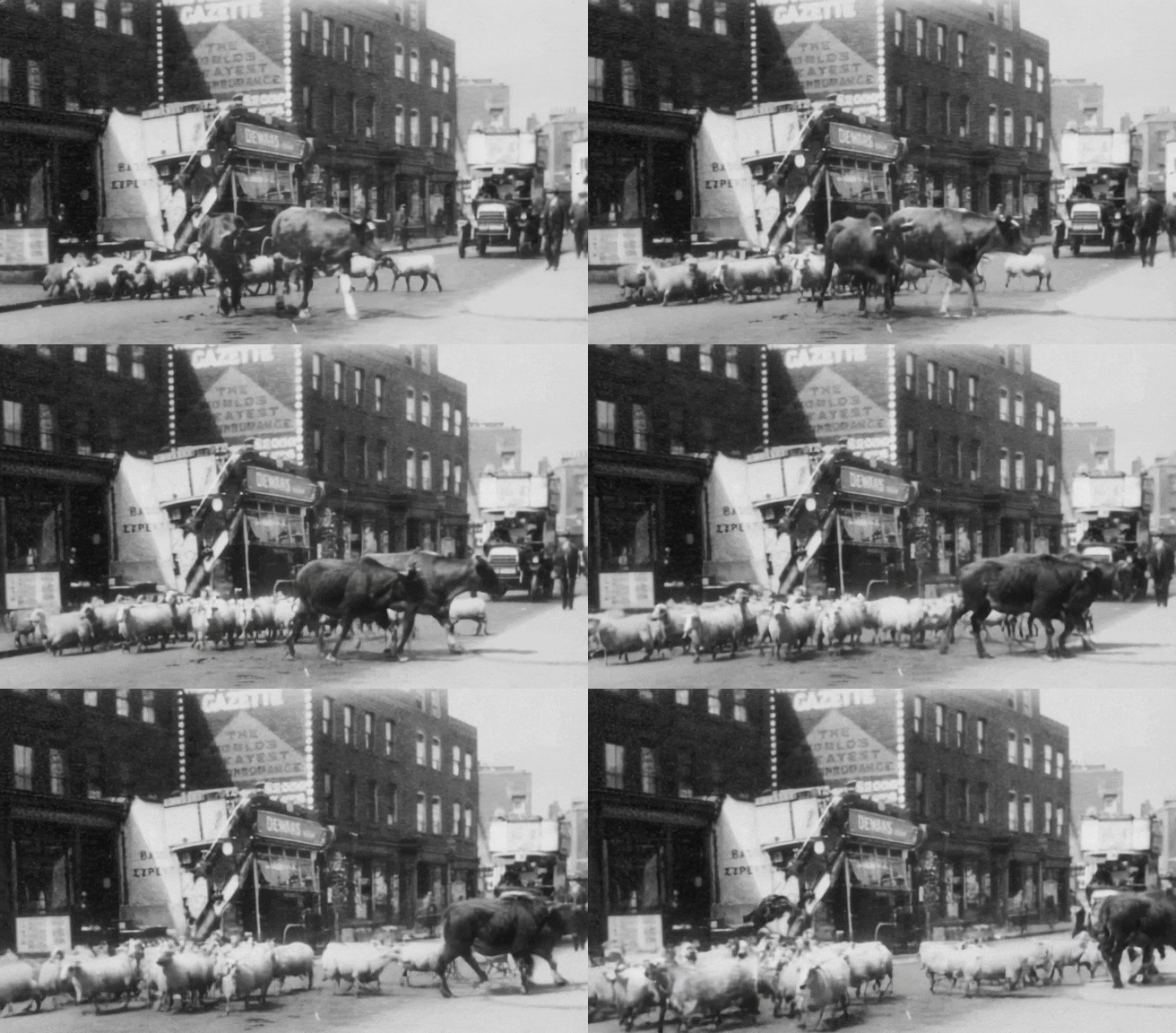
Image description
Stoke Newington Church Street
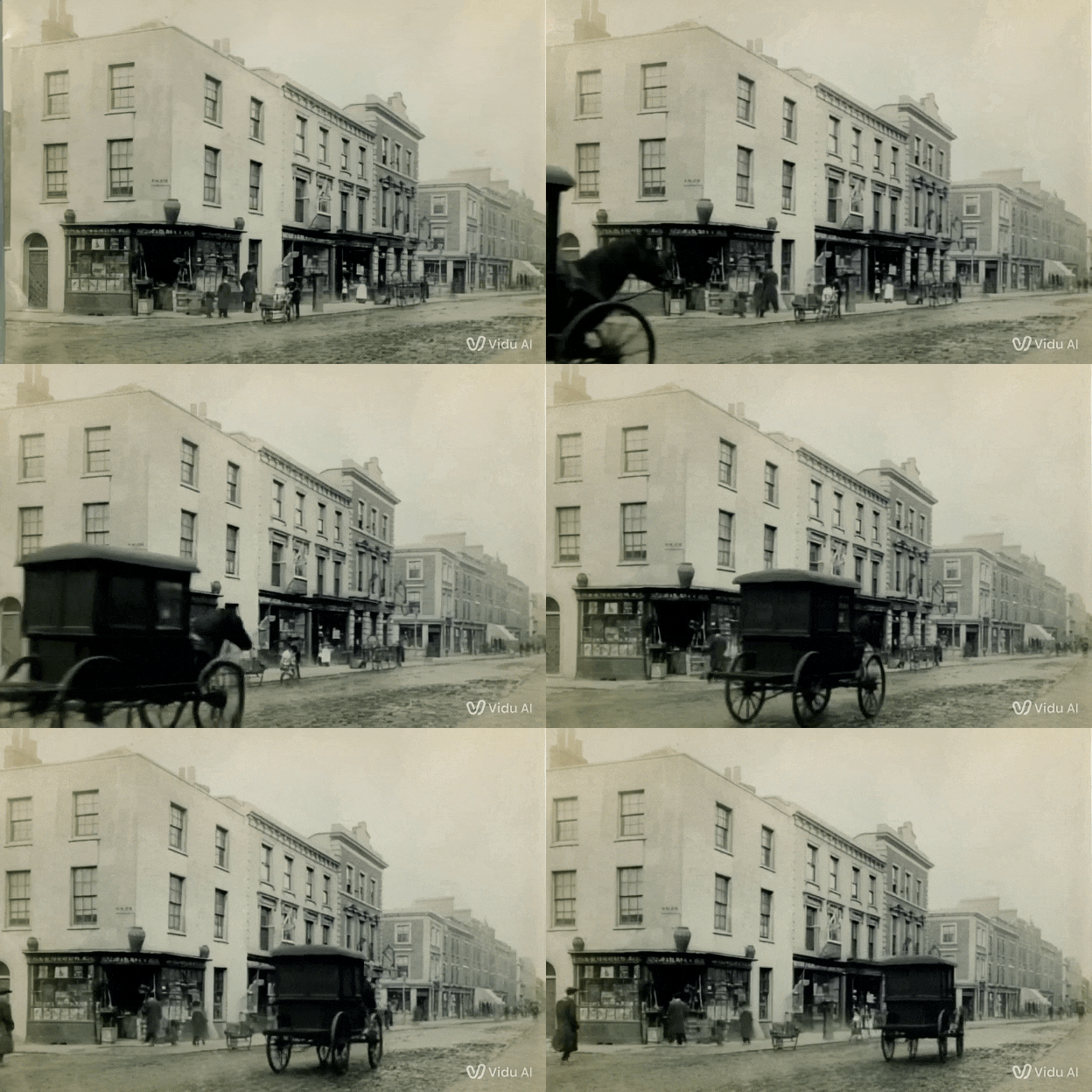
Image description
Stoke Newington Road

Image description
87 Lordship Road
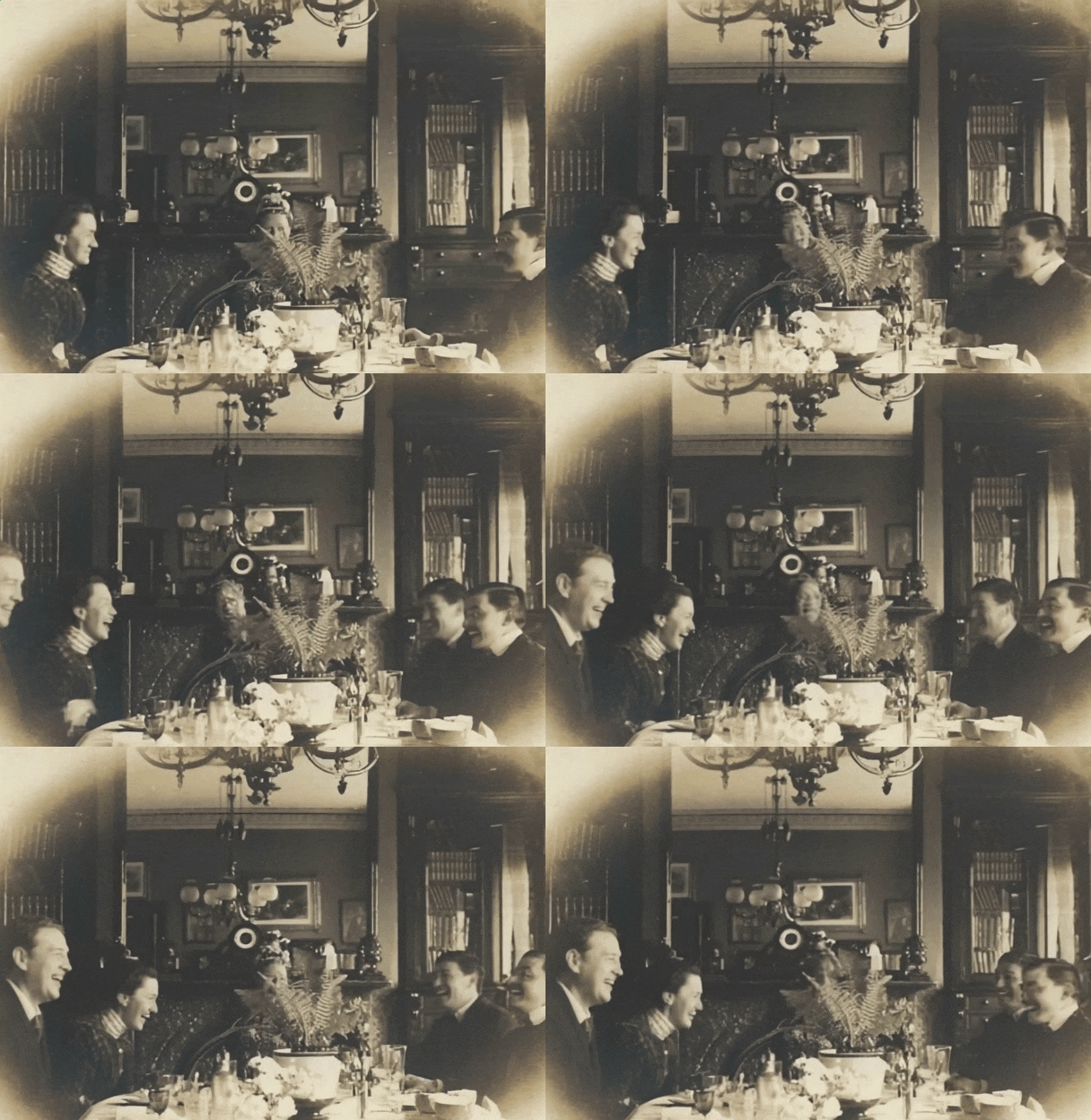
Image description
Stoke Newington High Street
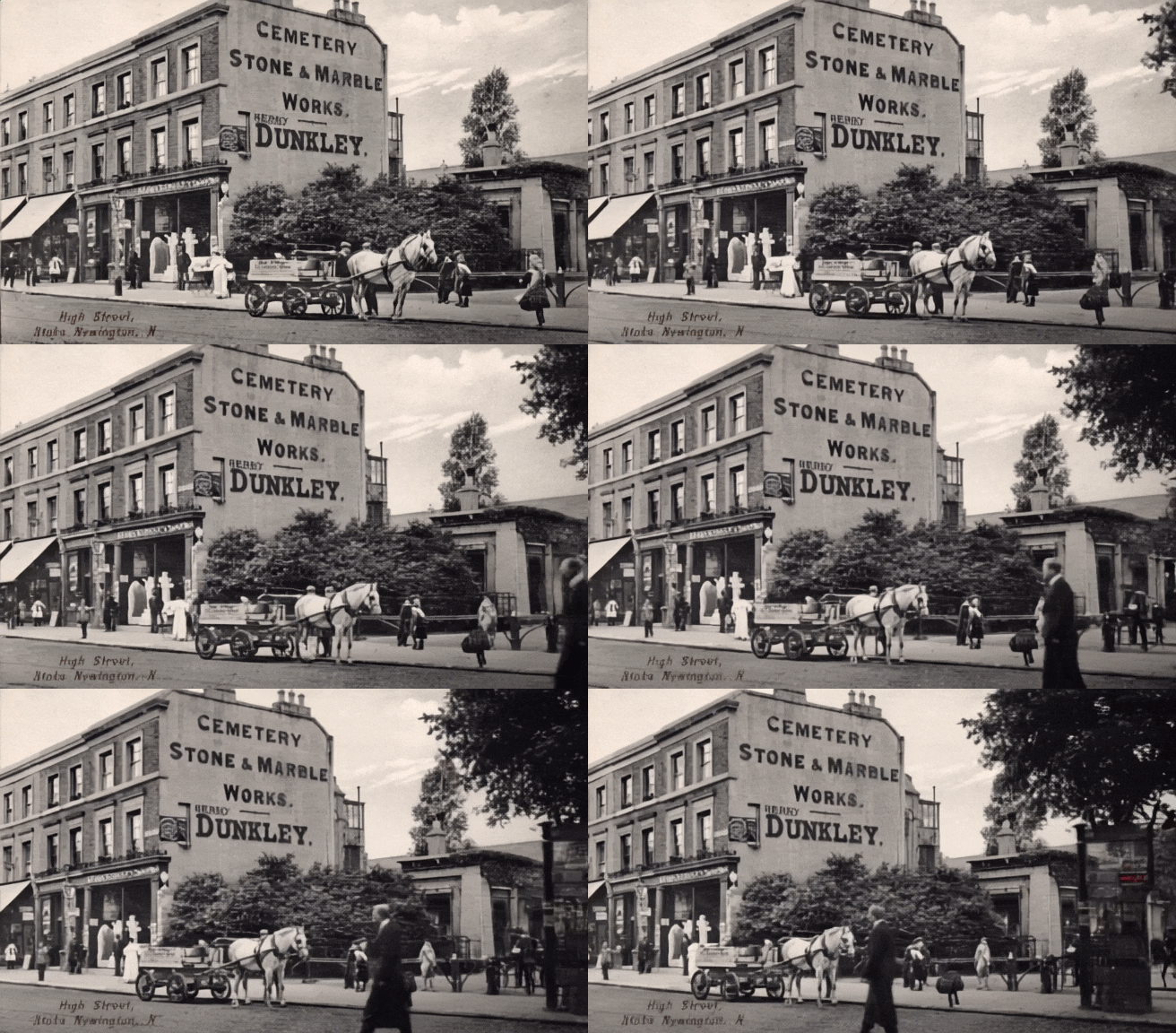
Image description

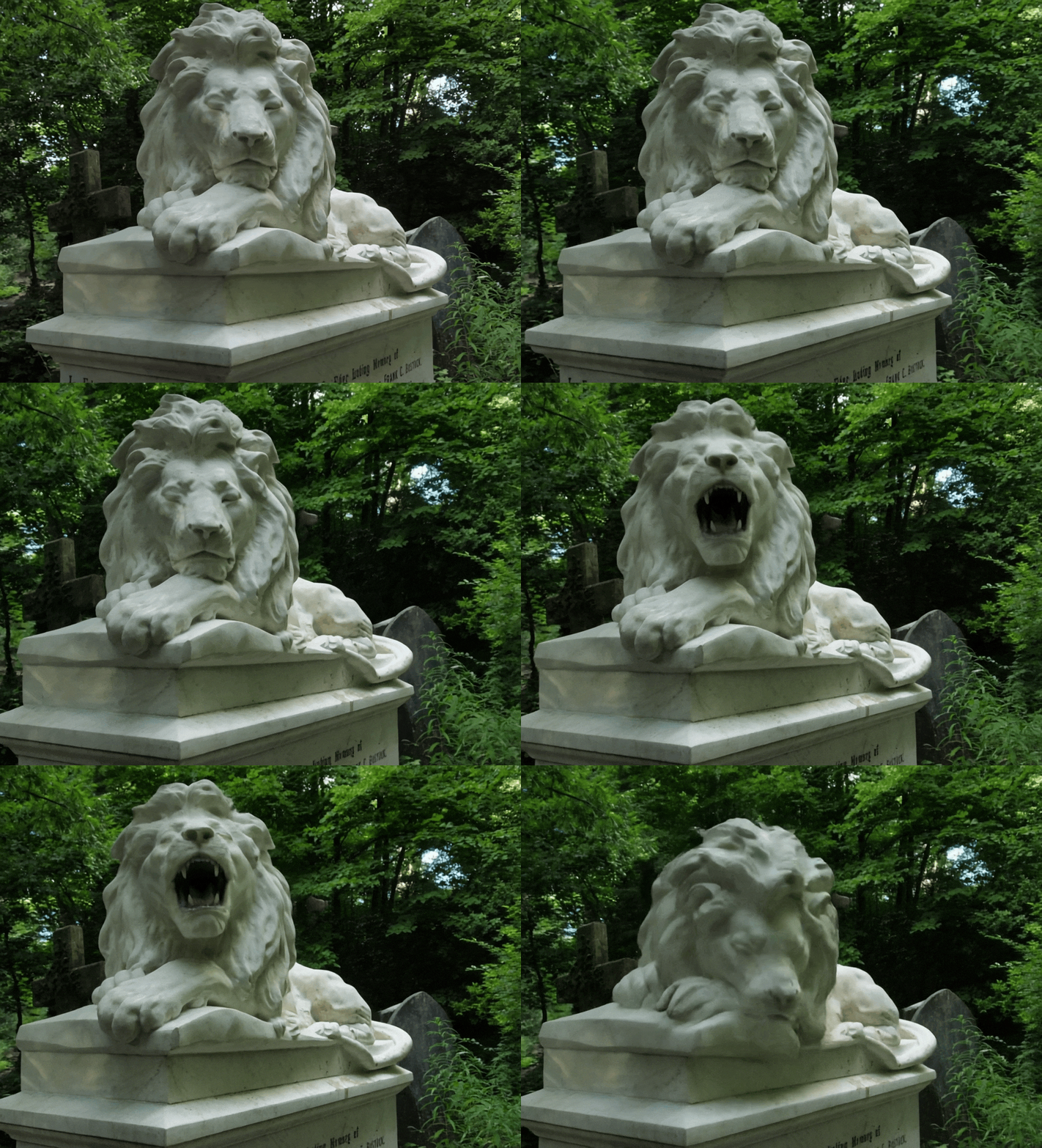
Clissold Park
Rev. Augustus Clissold
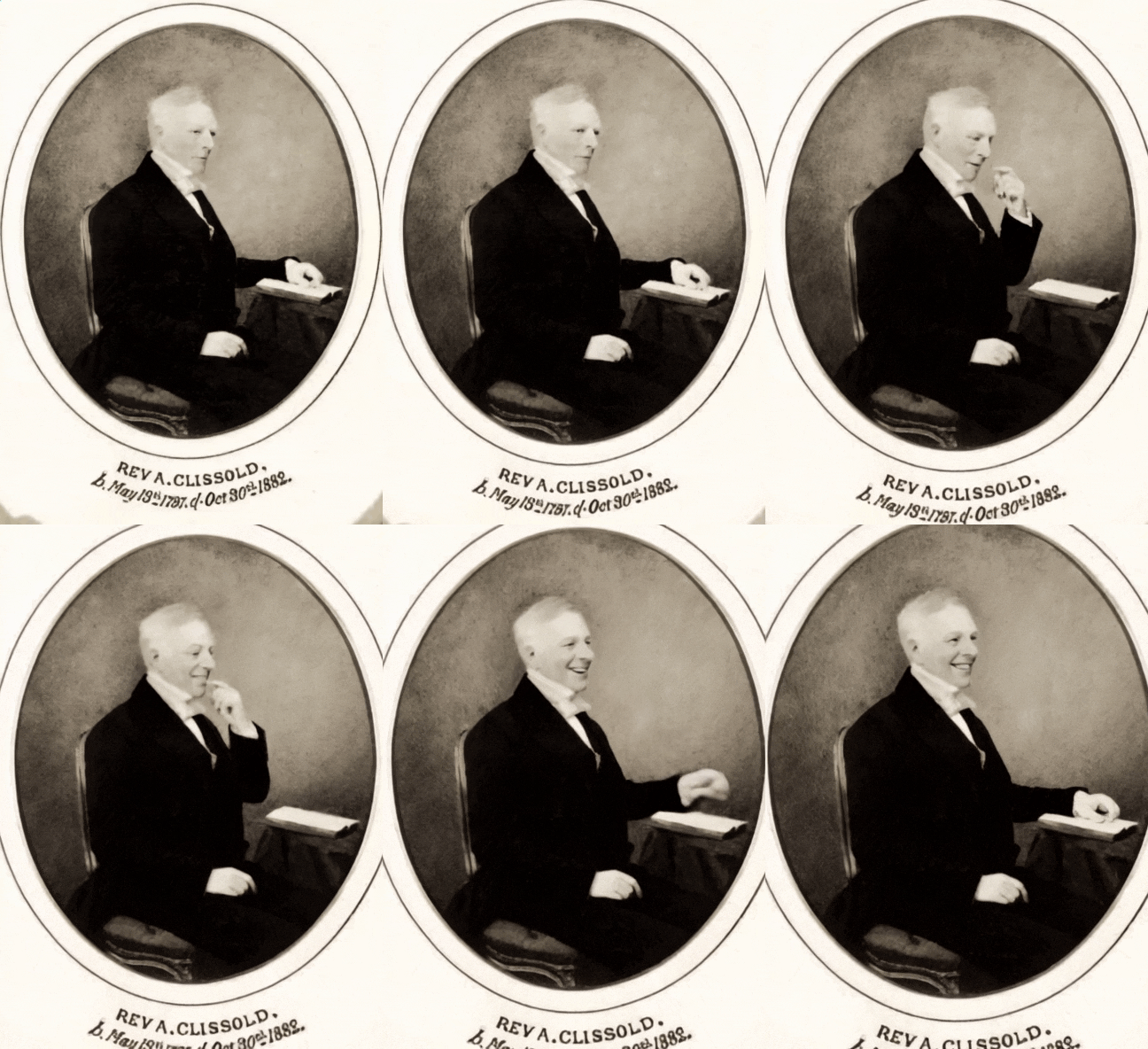
Image description
Joseph Beck
Joseph Beck (1829–1891), founder and chair of the Clissold Park Preservation Committee. He was the mouthpiece of the campaign to save the park in 1886-8, as well as a prominent optical manufacturer, public servant, and philanthropist. His contributions encompassed scientific innovation, civic engagement, and environmental preservation.
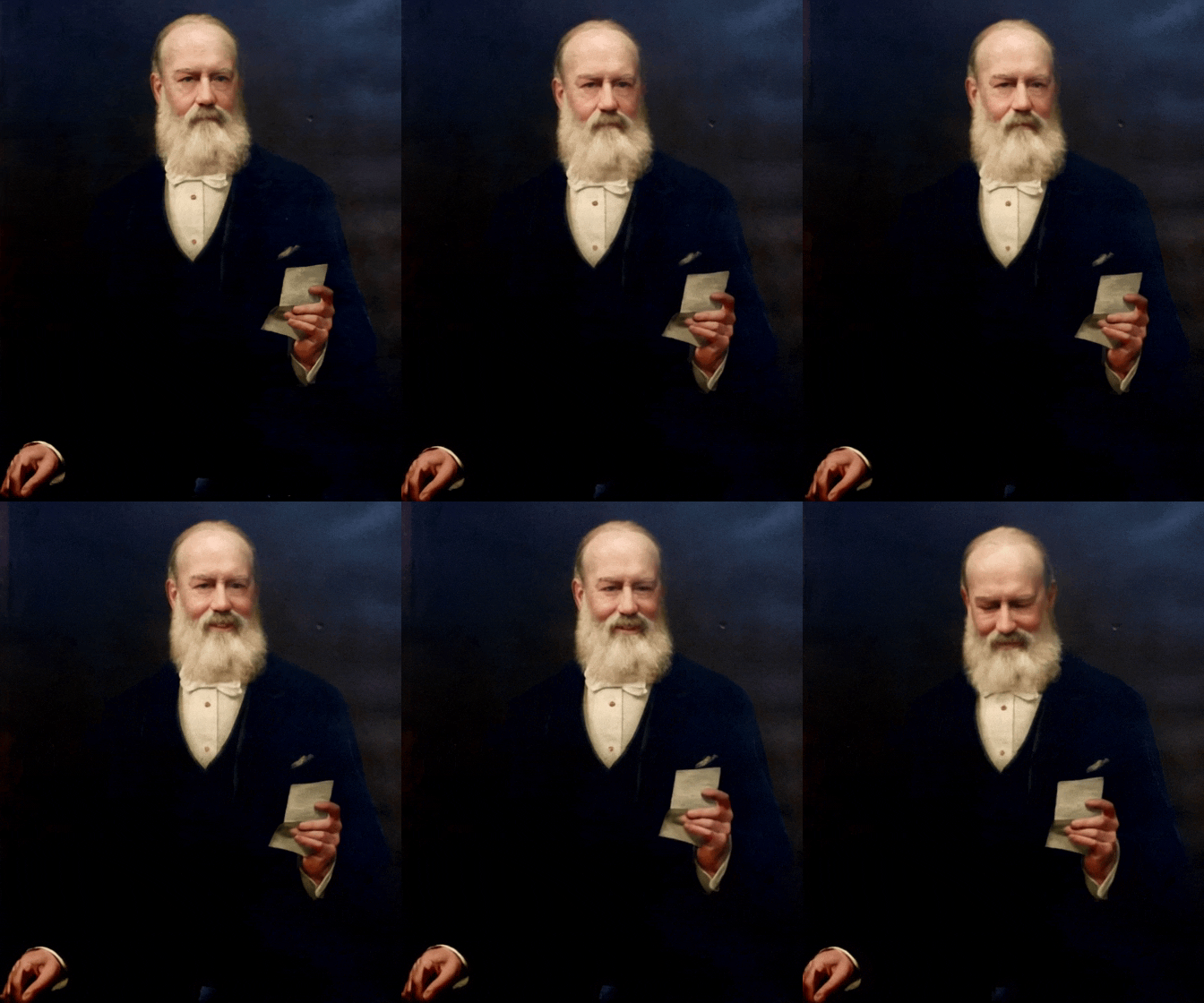


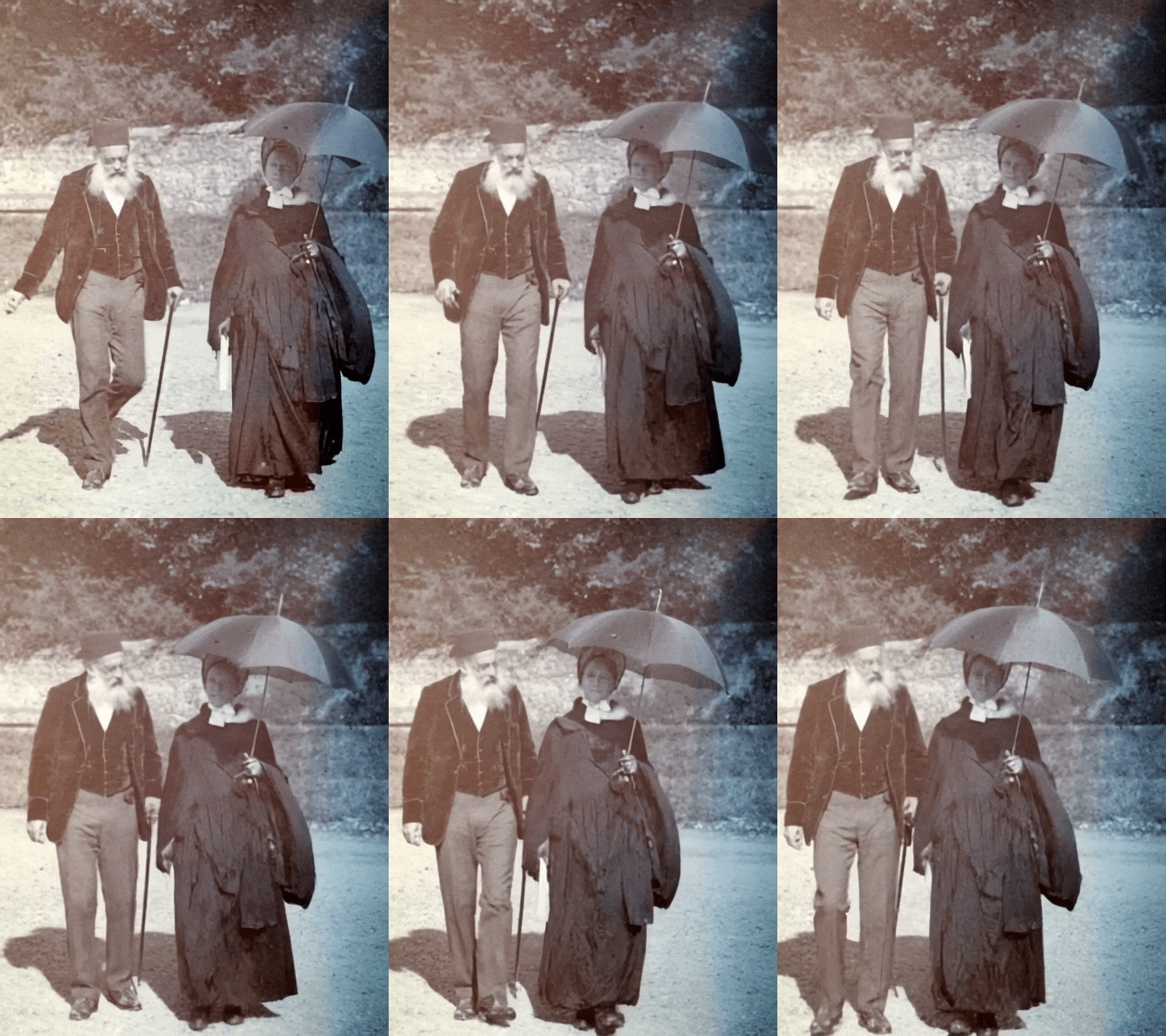
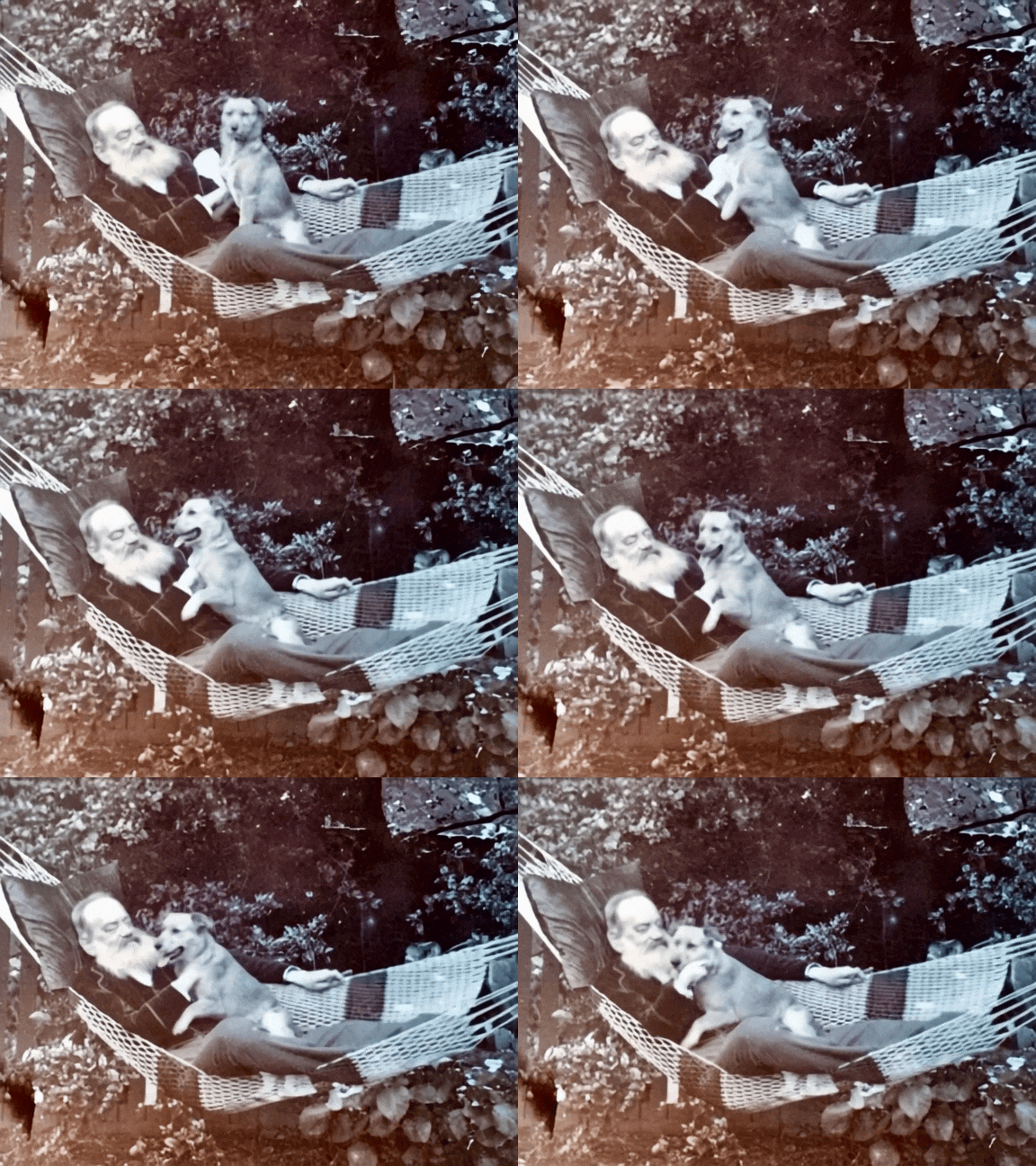
Joseph Beck and John Runtz
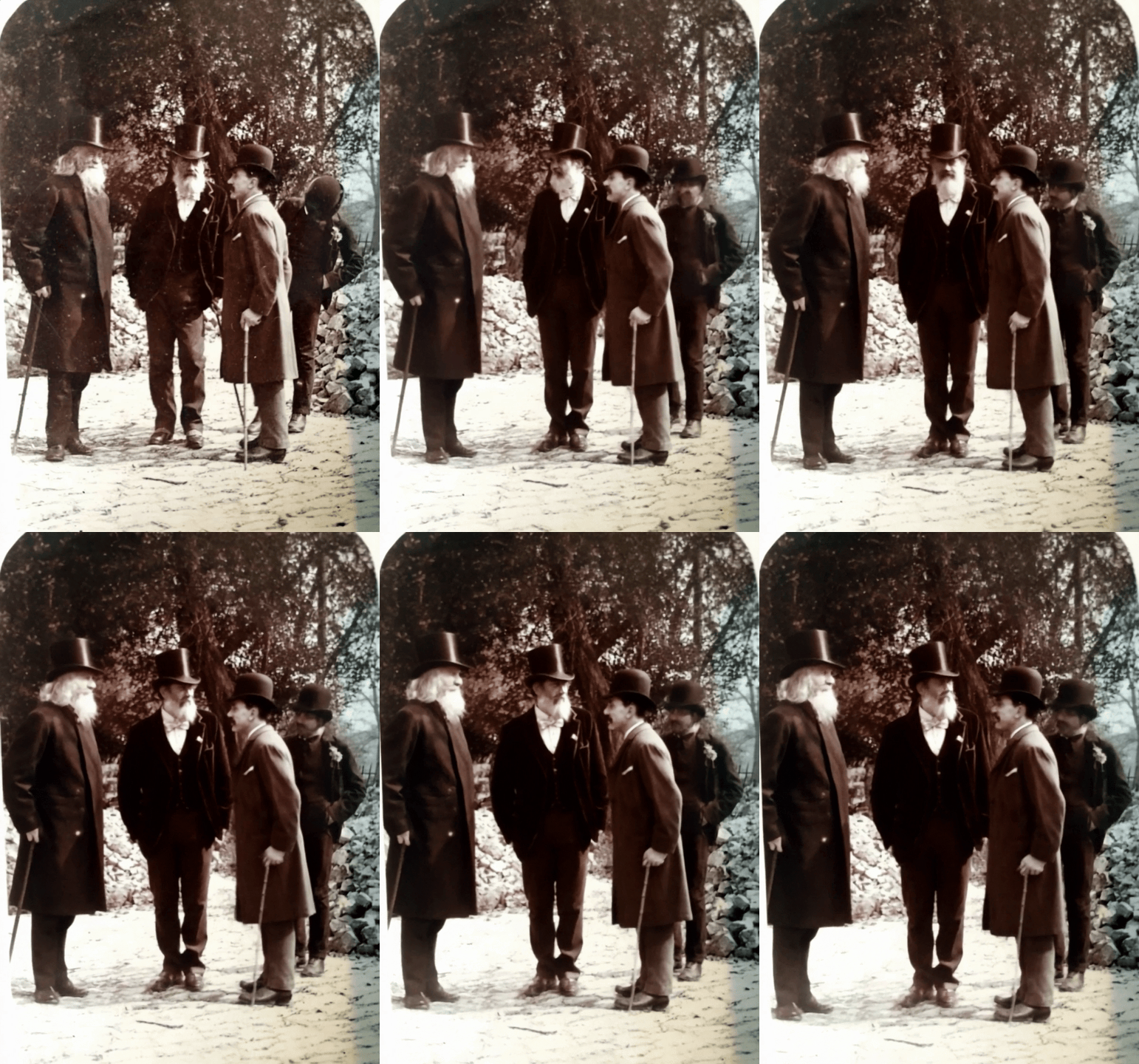
Image description


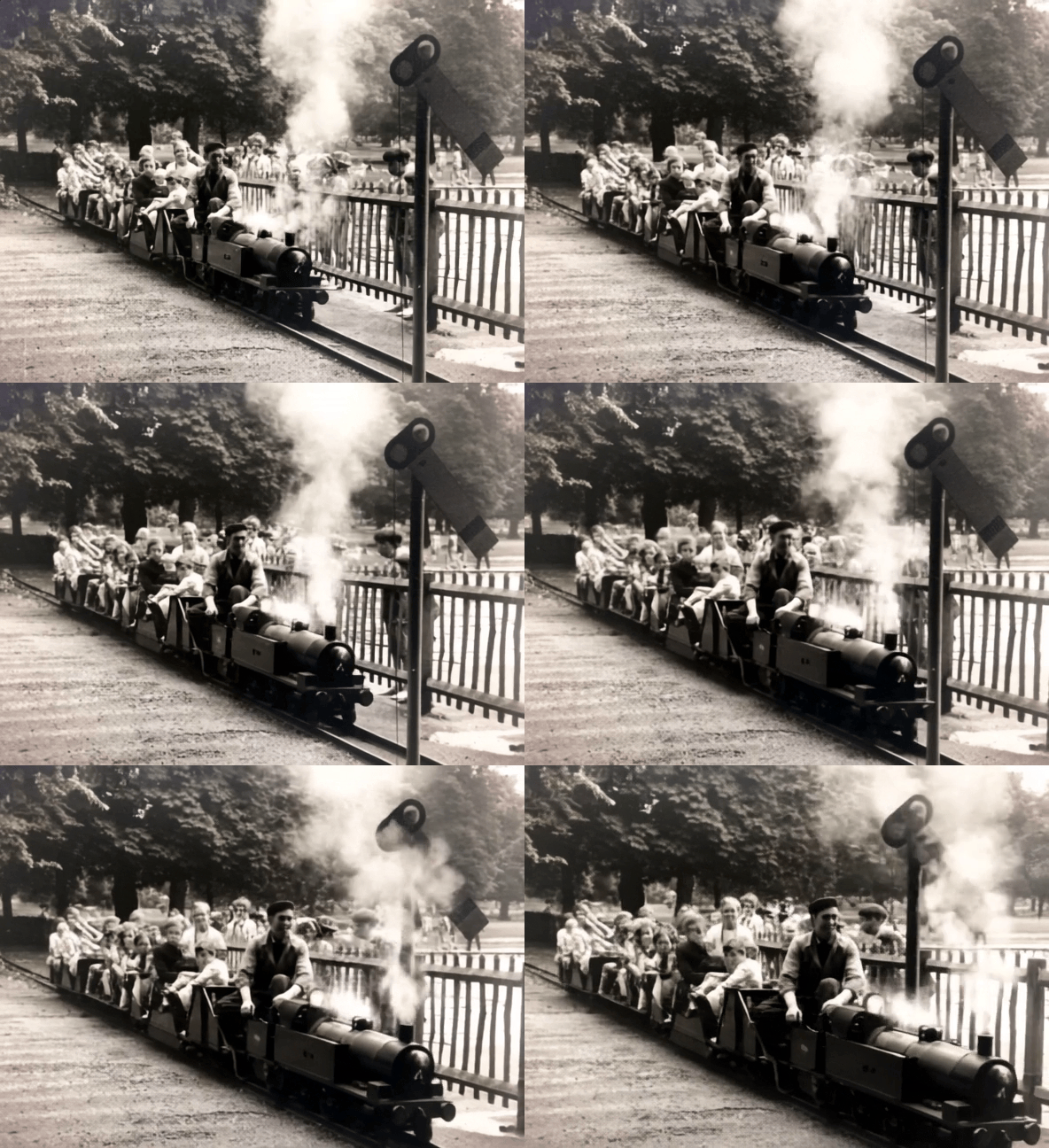
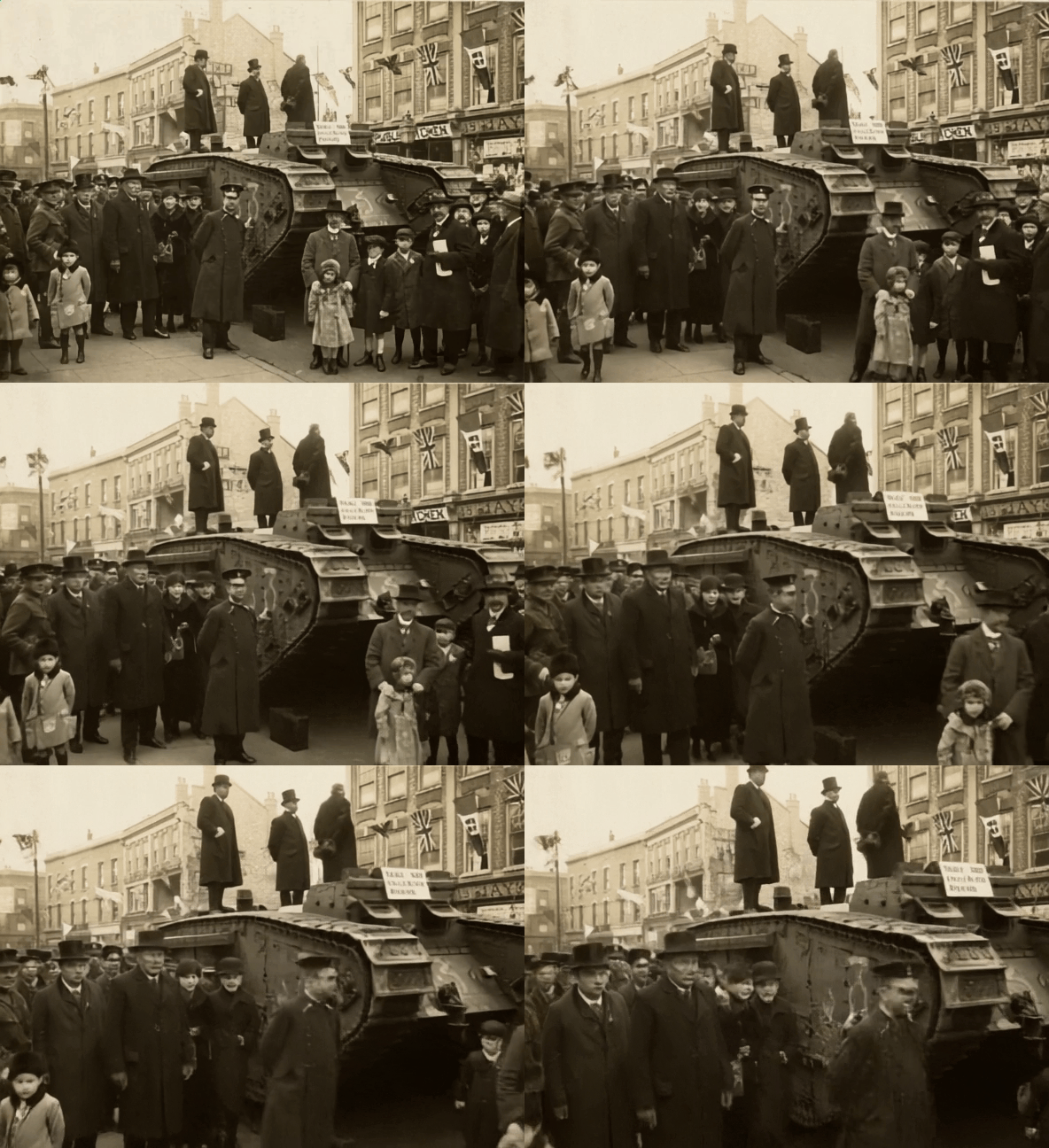
World War 1
Image header
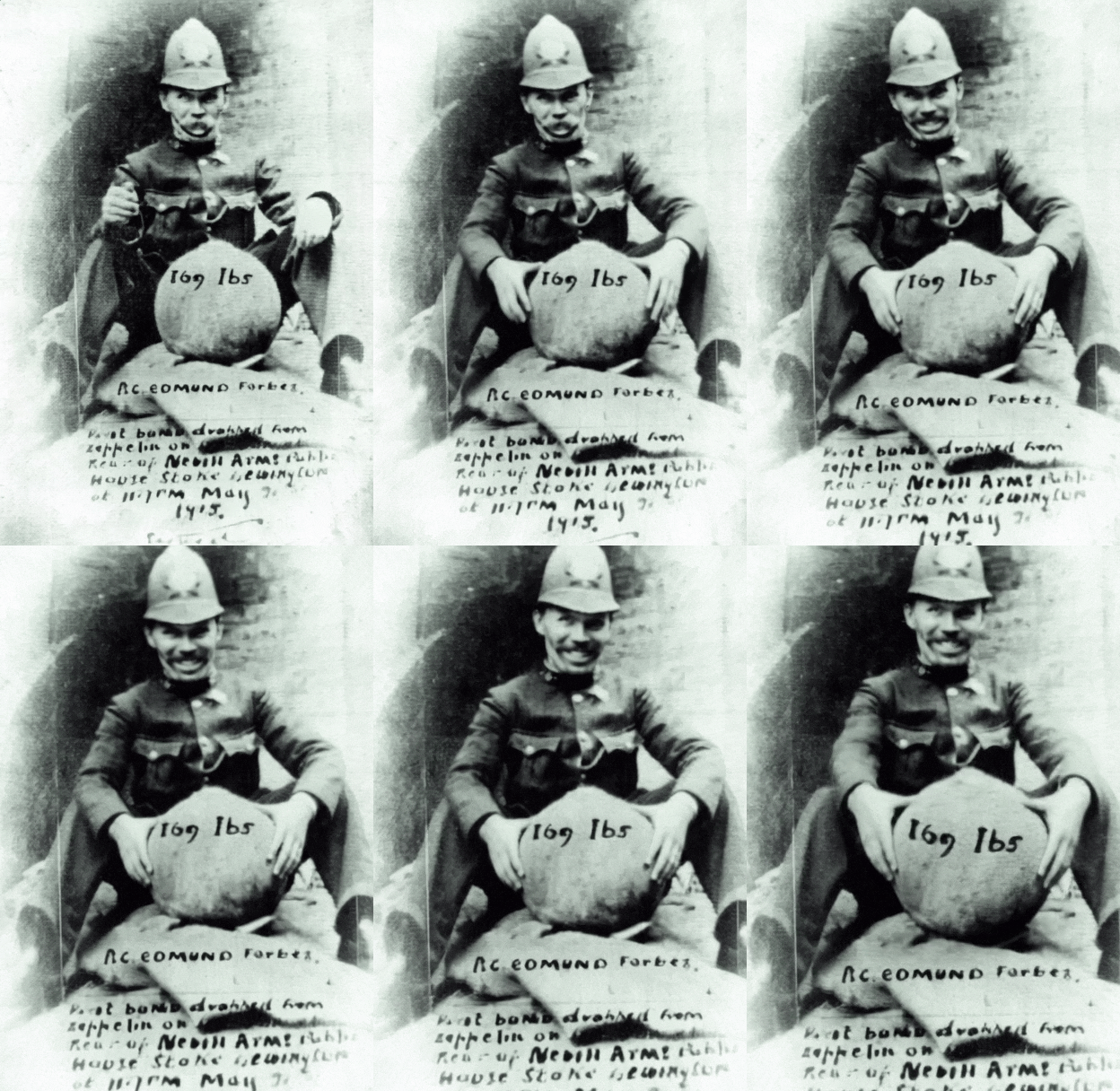
Image description
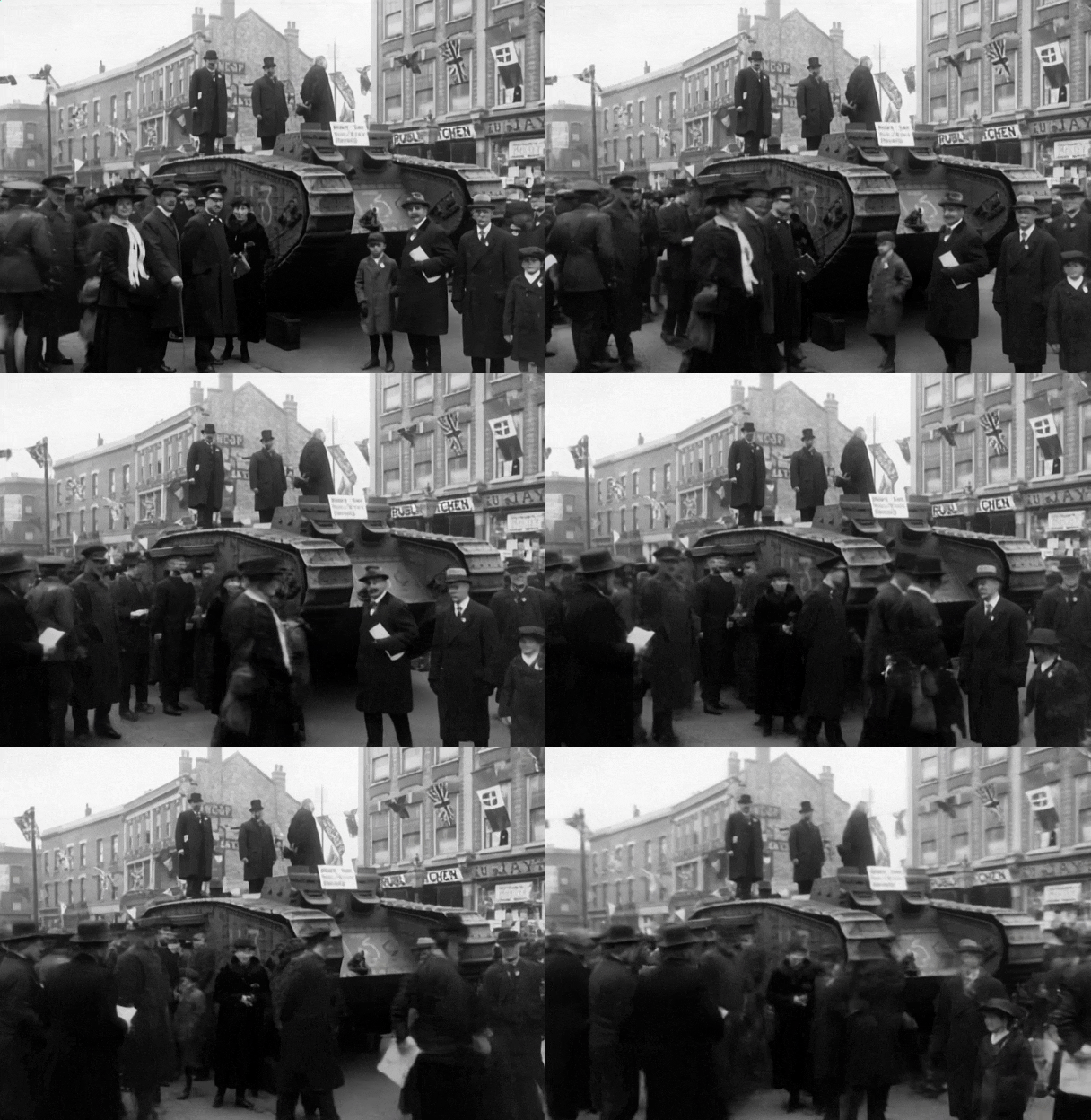
1917
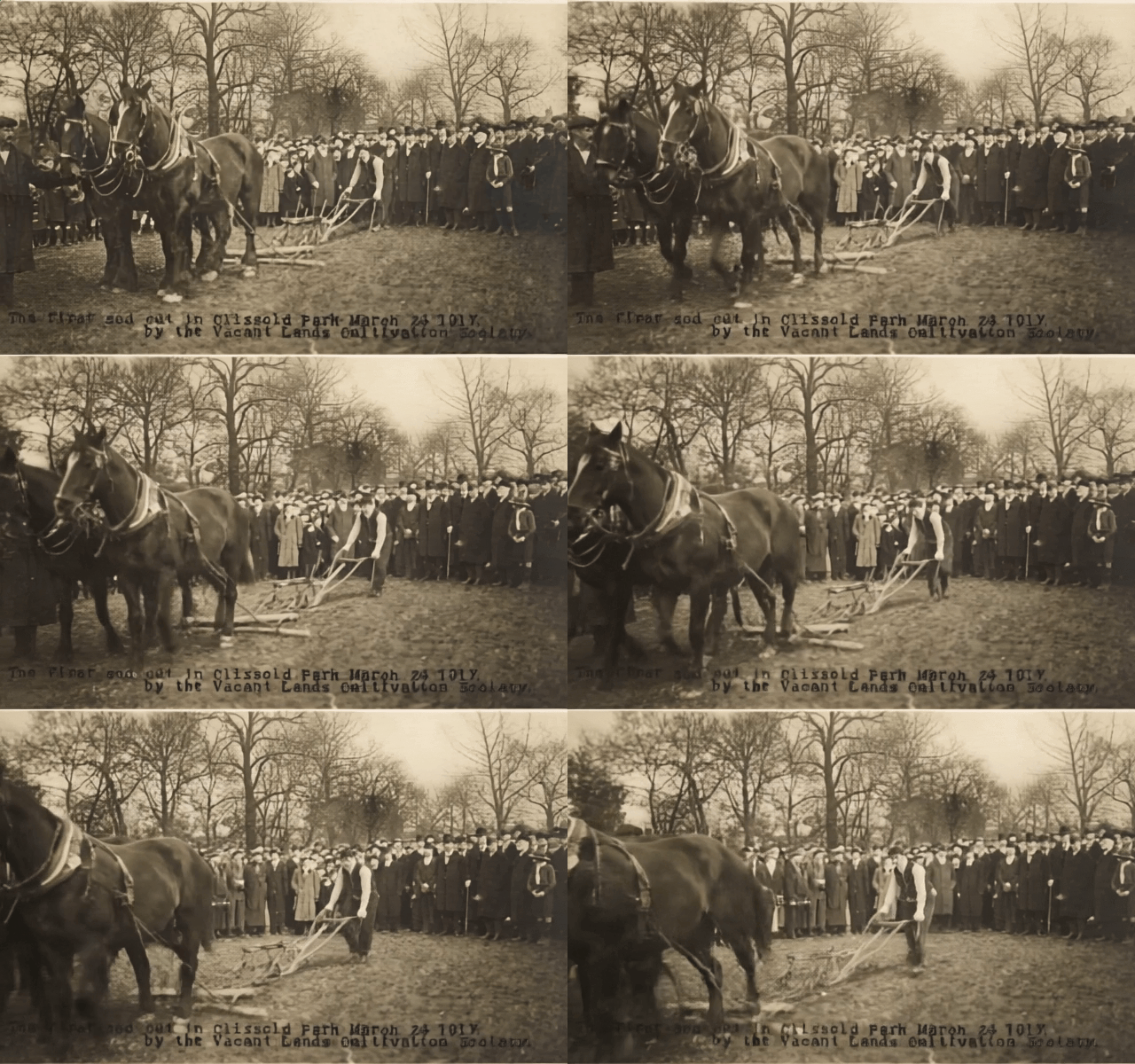
Image description

Public Transport
1960’s MG ad featuring the 73 bus to Stoke Newington
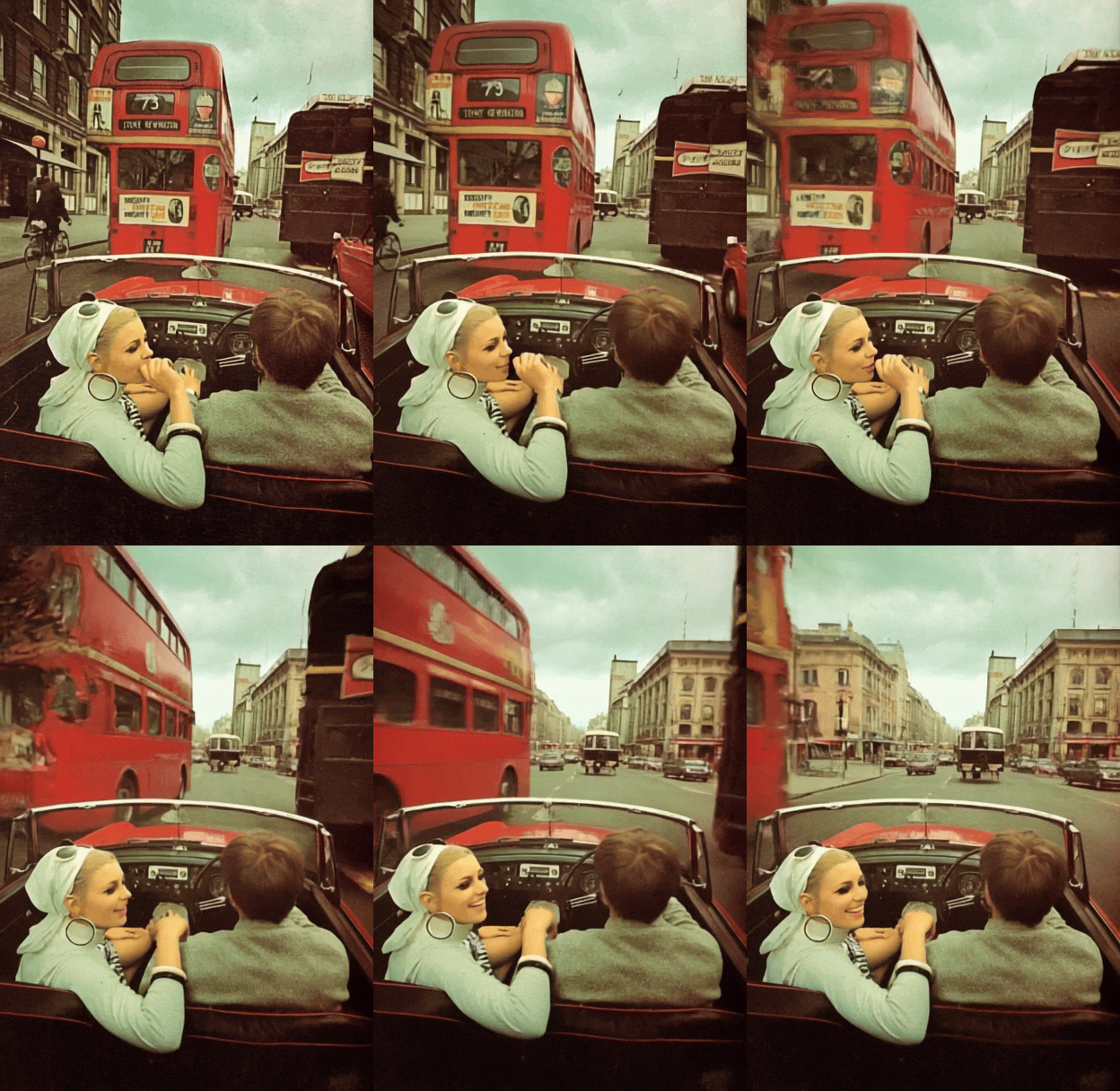
Image description
Stoke Newington Station
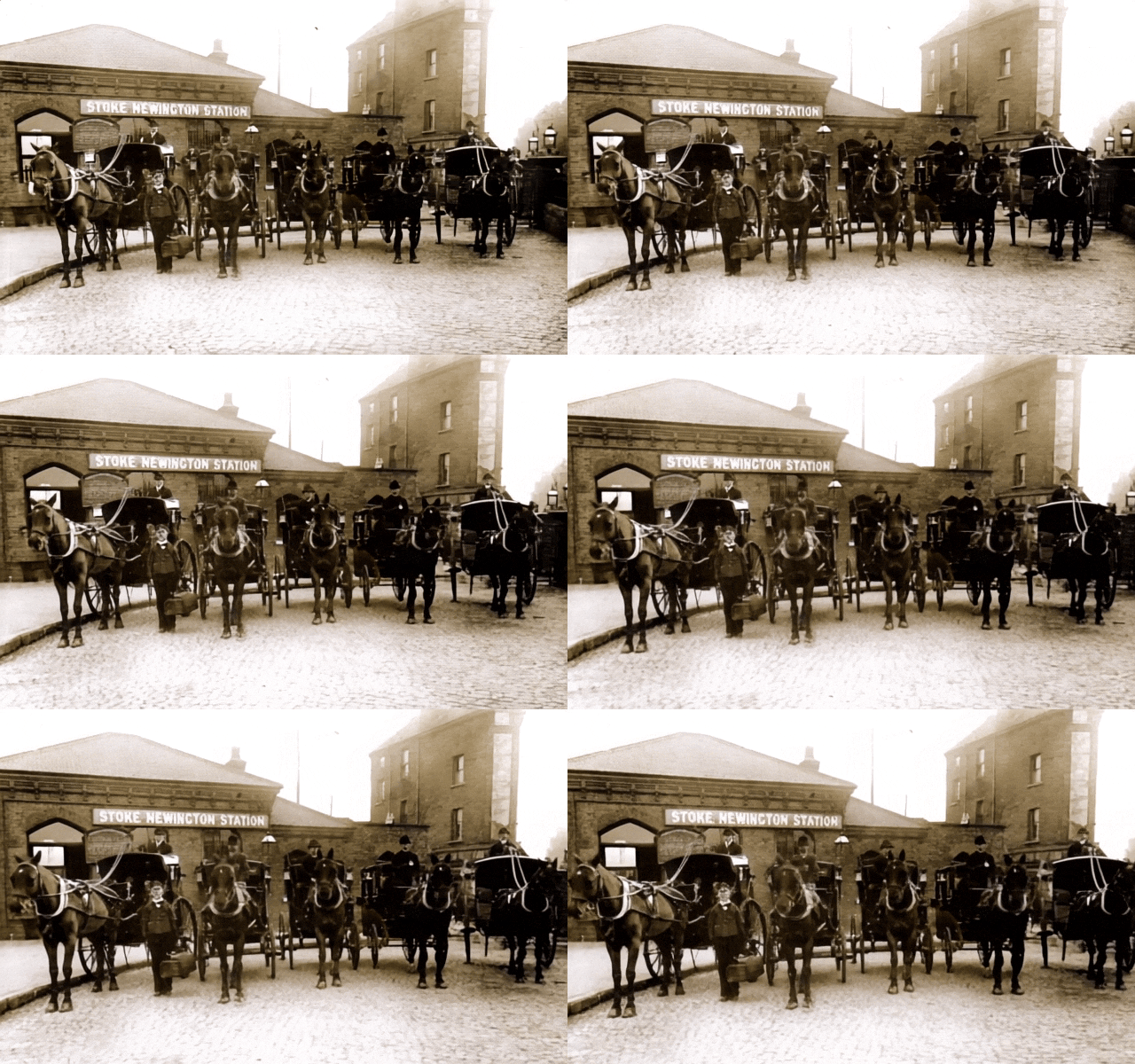
Image description

Mayors of Stoke Newington
Carrie Maude Eve and William Eve
Carrie Maude Eve (1863–1955), mayor of Stoke Newington from 1924 to 1925, was the first woman to hold this office in the borough. She was only the second woman to be elected mayor of a London borough, following Ada Salter in Bermondsey in 1922. Eve began her public service career in 1917 when she was elected as a Stoke Newington councillor. Her background in nursing informed her strong commitment to community health and welfare throughout her political career. In recognition of her contributions to public service, she was awarded an MBE in 1935.
Eve came from a family with a significant political legacy. Her father, William Eve (1835–1916), served as the second mayor of Stoke Newington from 1901 to 1902. Before the creation of the borough, he was a vestryman of Stoke Newington. He was also a surveyor and a churchwarden at St Mary’s Church.
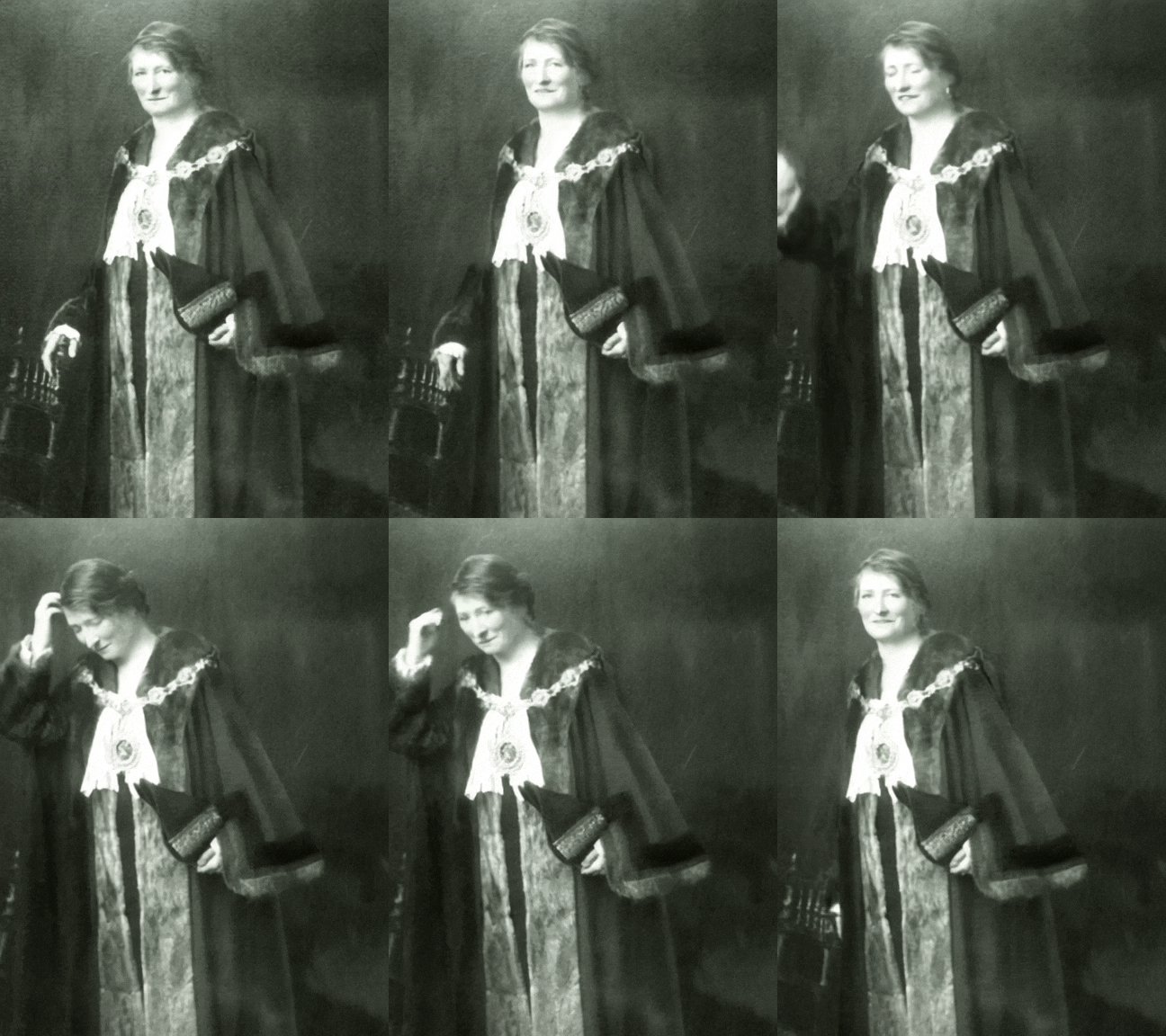

John Johnston Runtz

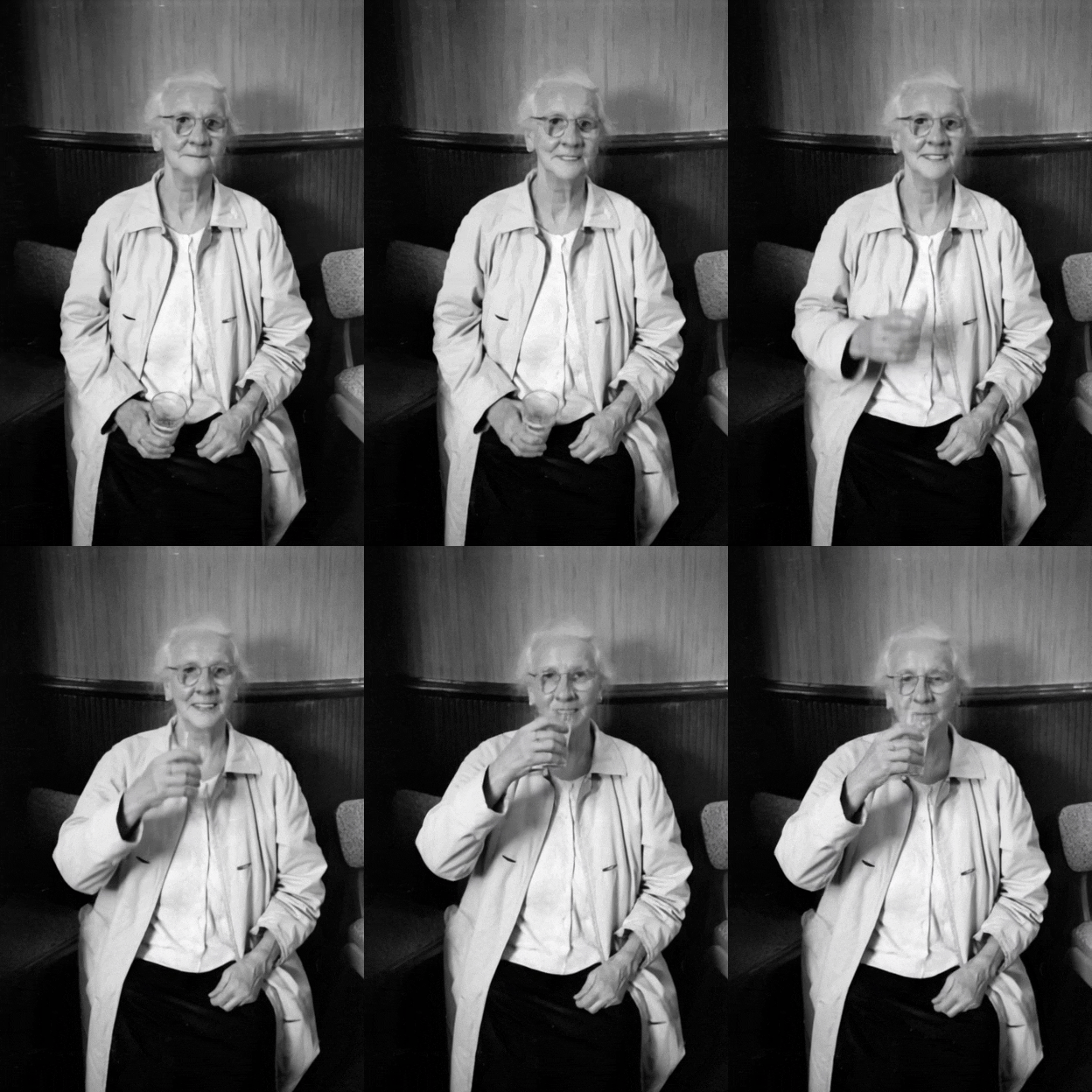
In some cases, it’s also about revealing the human side behind formal, stern portraits by imagining how these historical figures might have looked if they had smiled or laughed, helping to connect us to the people behind the images in a new way.
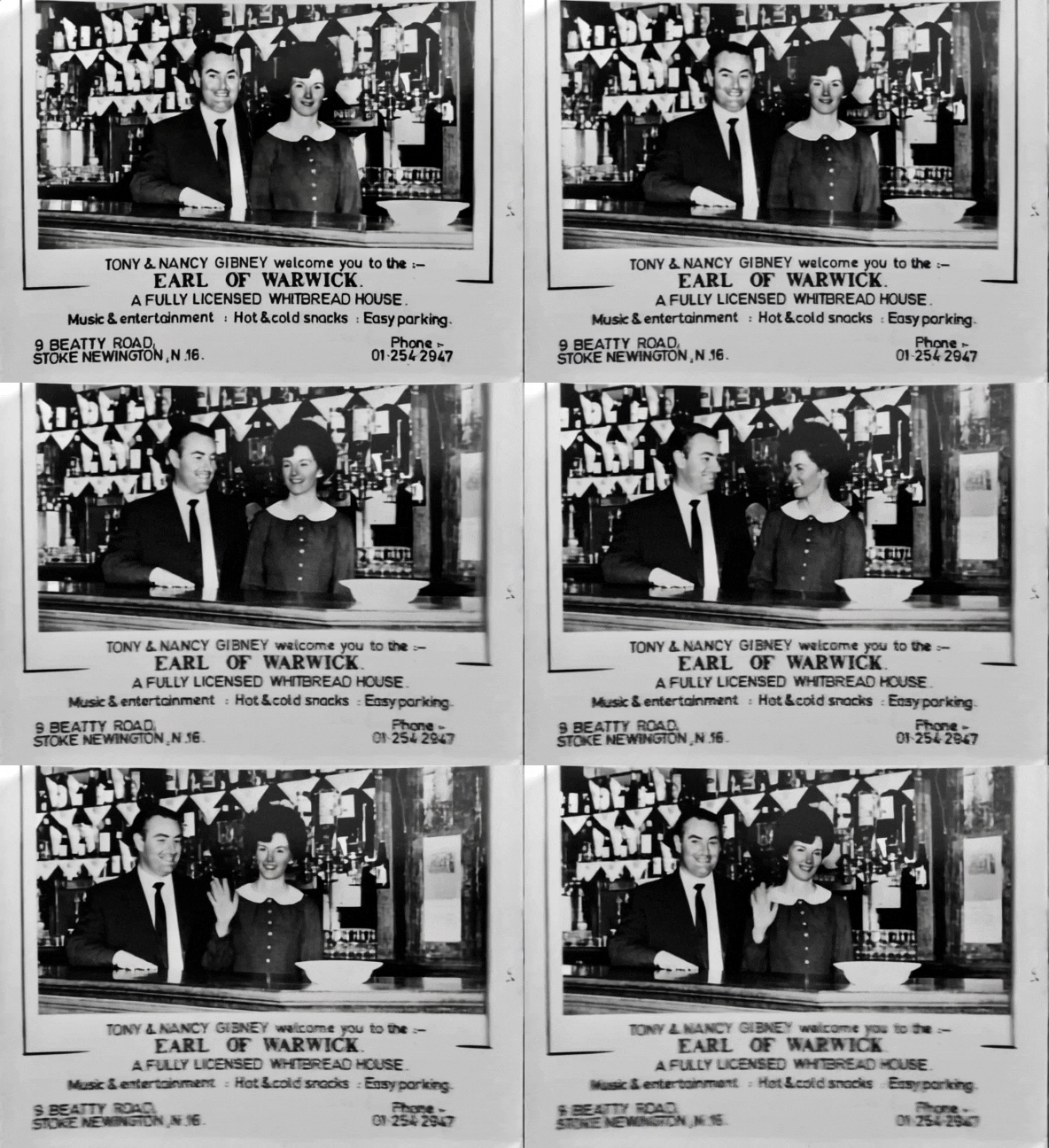
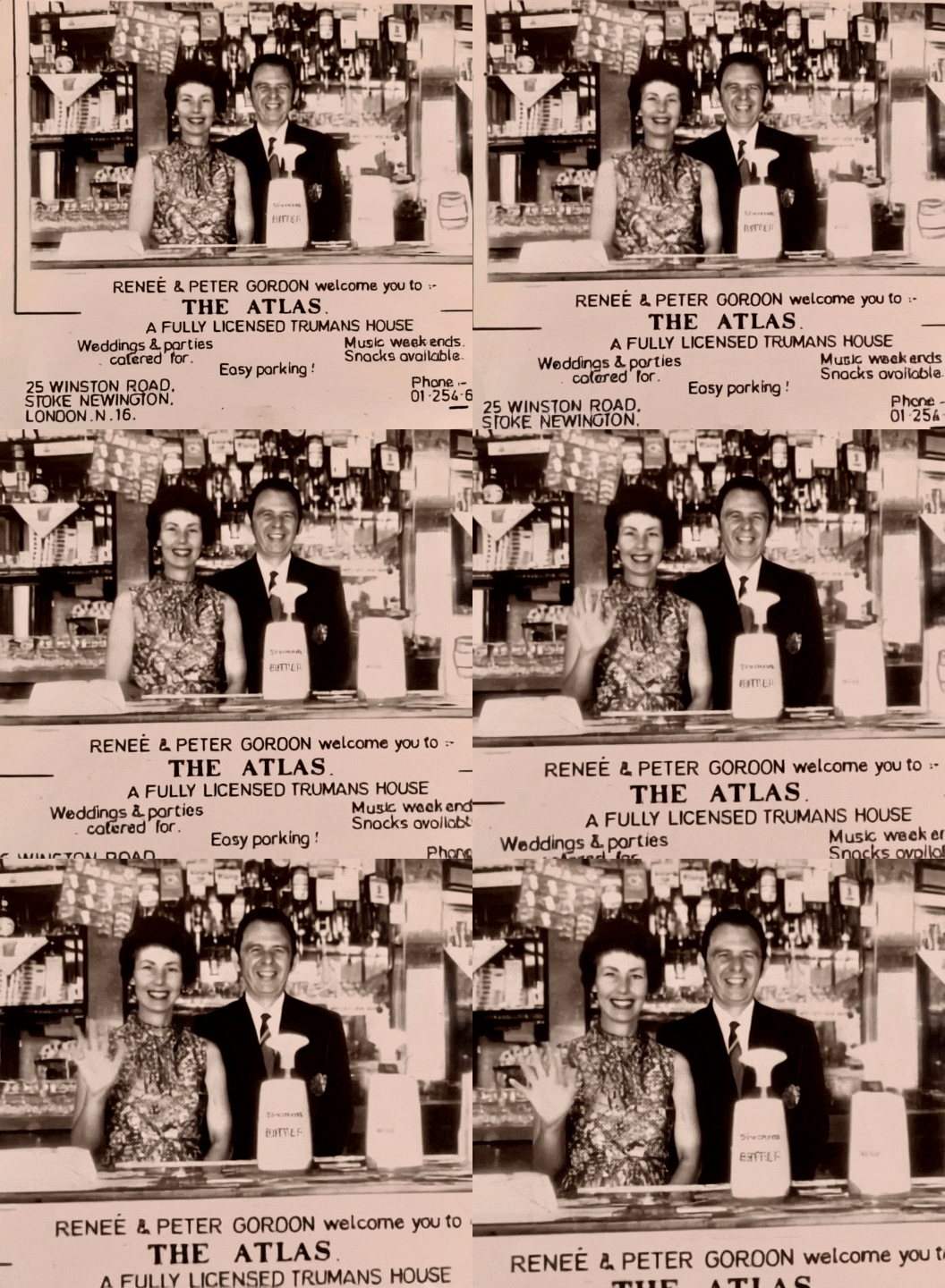
Local Pubs

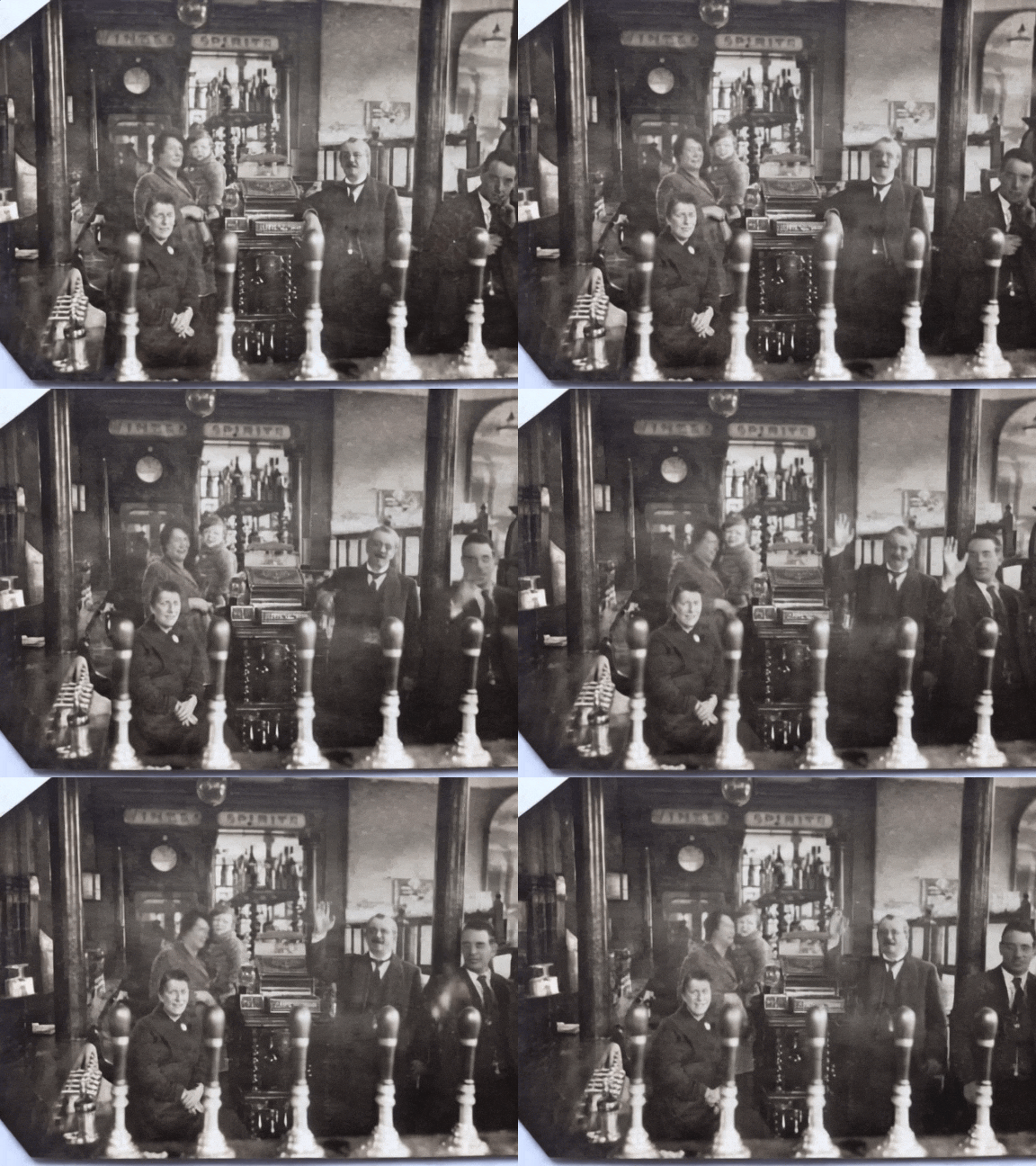
10 Barn Street, 1912
Image description
Stoke Newington Fire Station
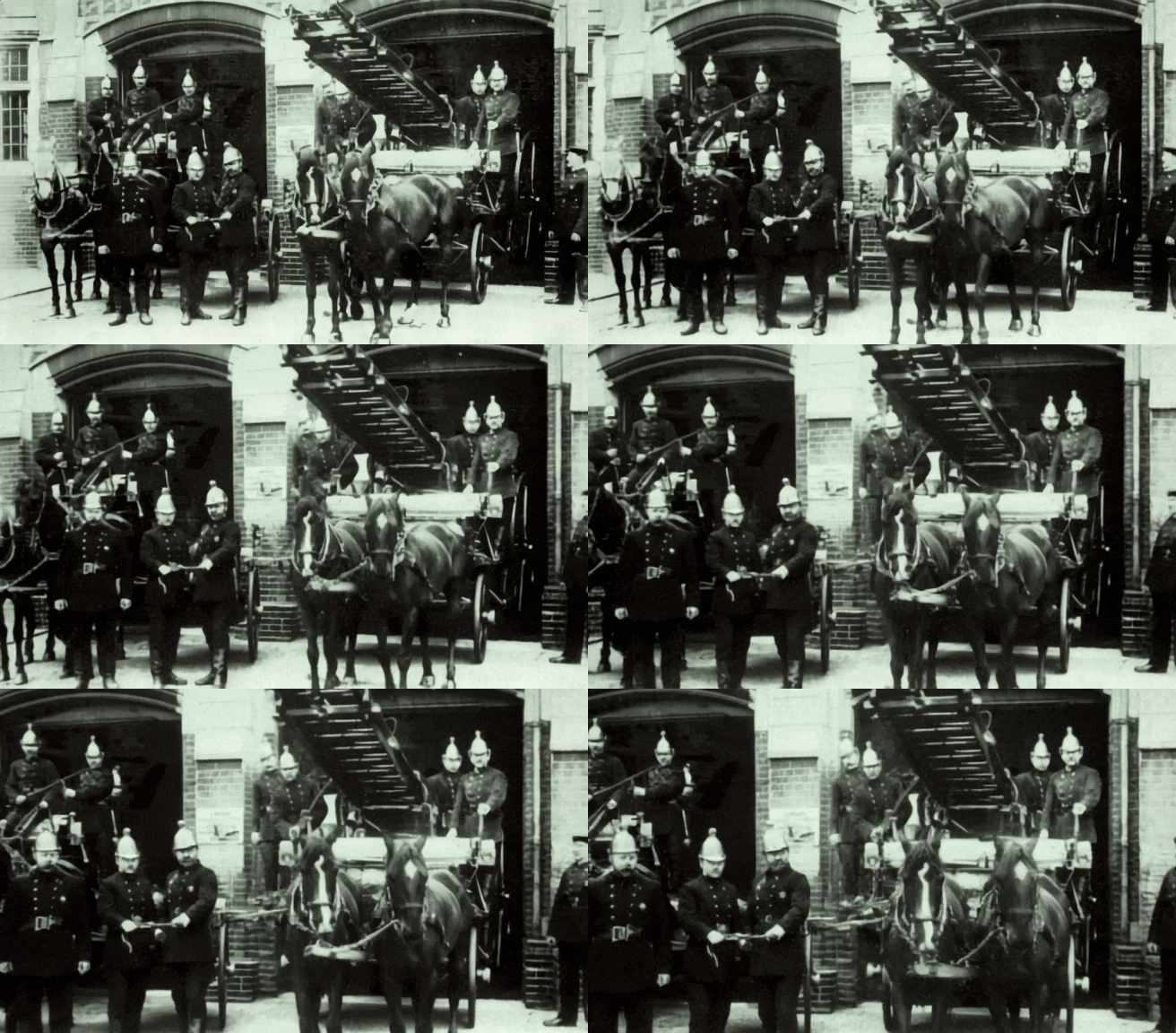
Image description
Stoke Newington Church Street, Weapons Week, World War 2
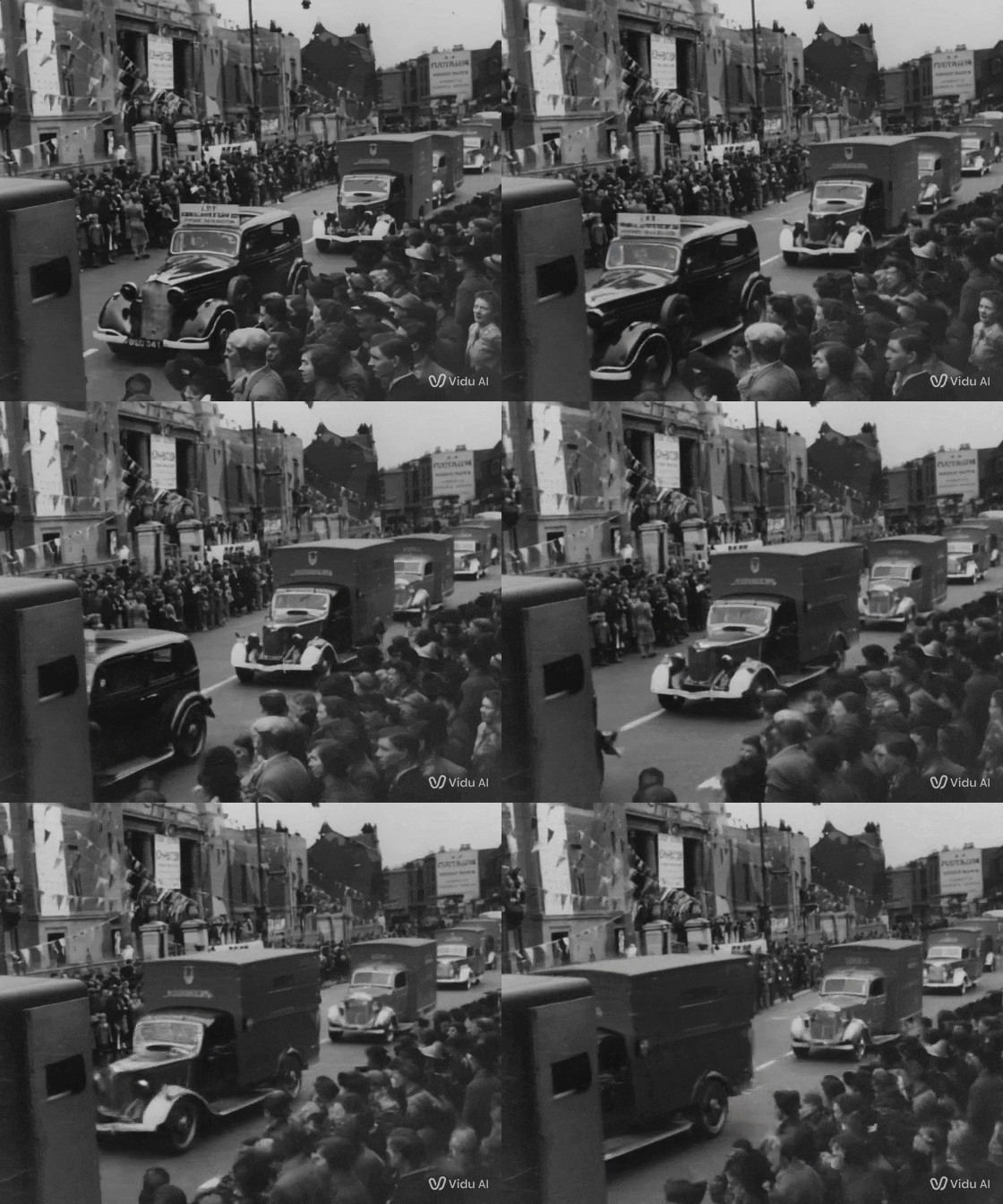
Image description
 Stoke Newington History