The Importance of Heritage Street Signs
Street signs may seem like everyday objects, but they are rich in historical significance, offering a glimpse into the past and reflecting the character of a neighbourhood over time. In Stoke Newington, many heritage street signs date back decades—some even over a century—and carry unique details, such as the name of the former Borough of Stoke Newington or pre-1917 postcodes. These signs are not just functional markers; they are historical artefacts that link us to the evolution of the area.

Recognising their importance, I undertook a detailed survey of these signs as part of my broader efforts to promote and preserve Stoke Newington’s history. By documenting their locations and characteristics, I hope to raise awareness of their historical value and the risk they face from neglect or replacement with modern alternatives. My interactive Google Map, which catalogues 52 heritage street signs, aims to provide a resource for locals, historians, and policymakers to appreciate and protect these pieces of the past. Through this project, I hope to ensure that these signs, which quietly narrate the story of Stoke Newington, remain a part of our shared heritage for years to come.
Analysis
I define ‘heritage’ in this context according to the sign’s historical context, age or rarity. Often it’s a combination of all those factors. Old, often faded and discoloured street signs are at risk of being removed. and replaced with a modern alternative. I hope this survey will raises awareness of these historical artefacts so they can be protected and in some cases restored.
Here’s the data used in the map in Spreadsheet format. You can click on each address to see the sign in Google Maps StreetView.
Categories
Having studied and documented Stoke Newington’s old street signs for a number of years I came up with the following classification for the ones I consider to be of special interest due to their historical context, age and rarity.

- Borough of Stoke Newington – The name of the local authority i.e. the former Metropolitan Borough of Stoke Newington (1900-65) was used (with one known exception) only for signs along the borough’s boundaries. As such these signs acted as boundary markers. It was possibly seen a waste of material and cost to include the name of the borough on every sign. There are only 17 surviving streets signs of this type from three different time periods. Many more, which are a long-gone are visible in old photos.
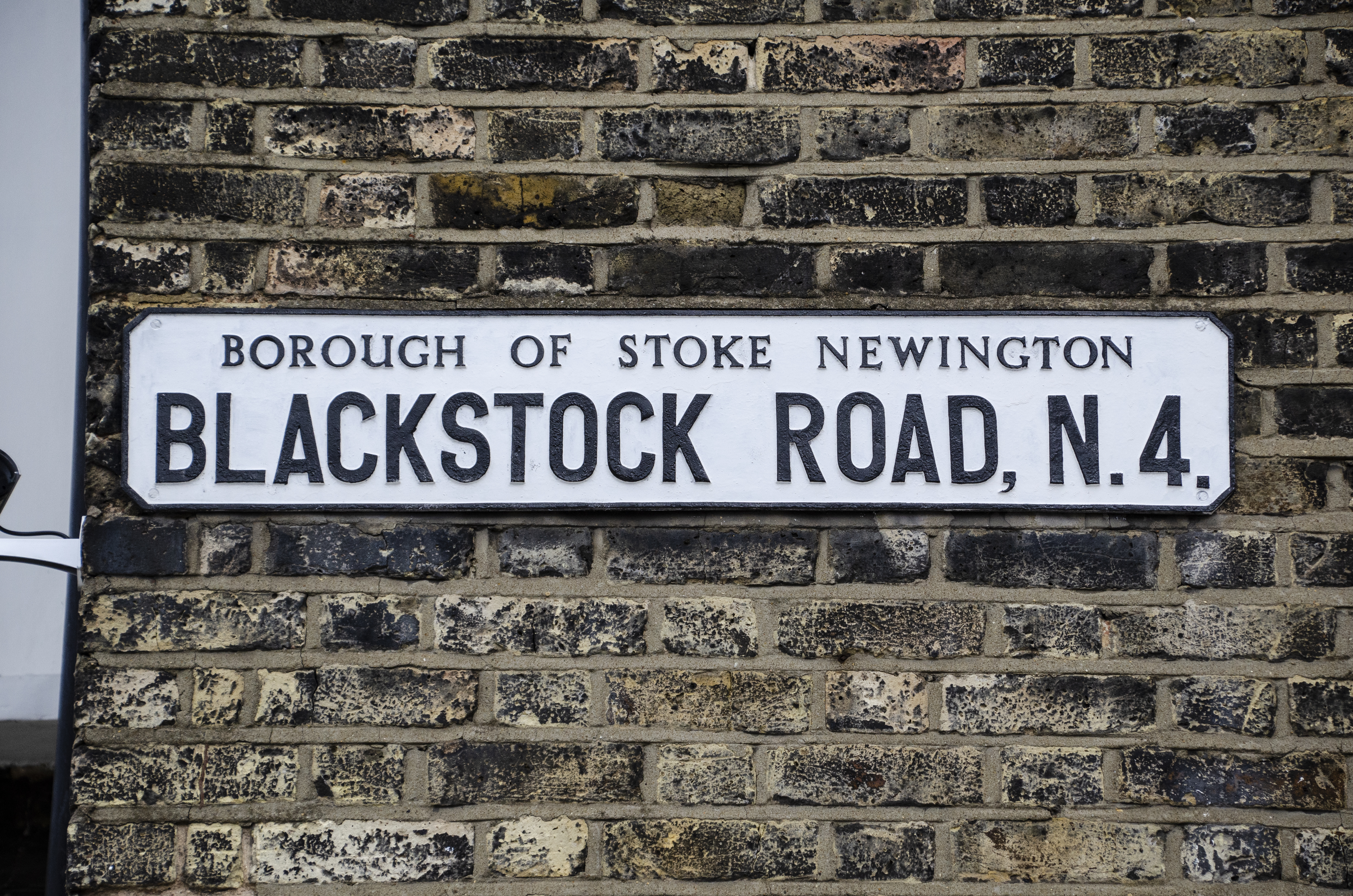


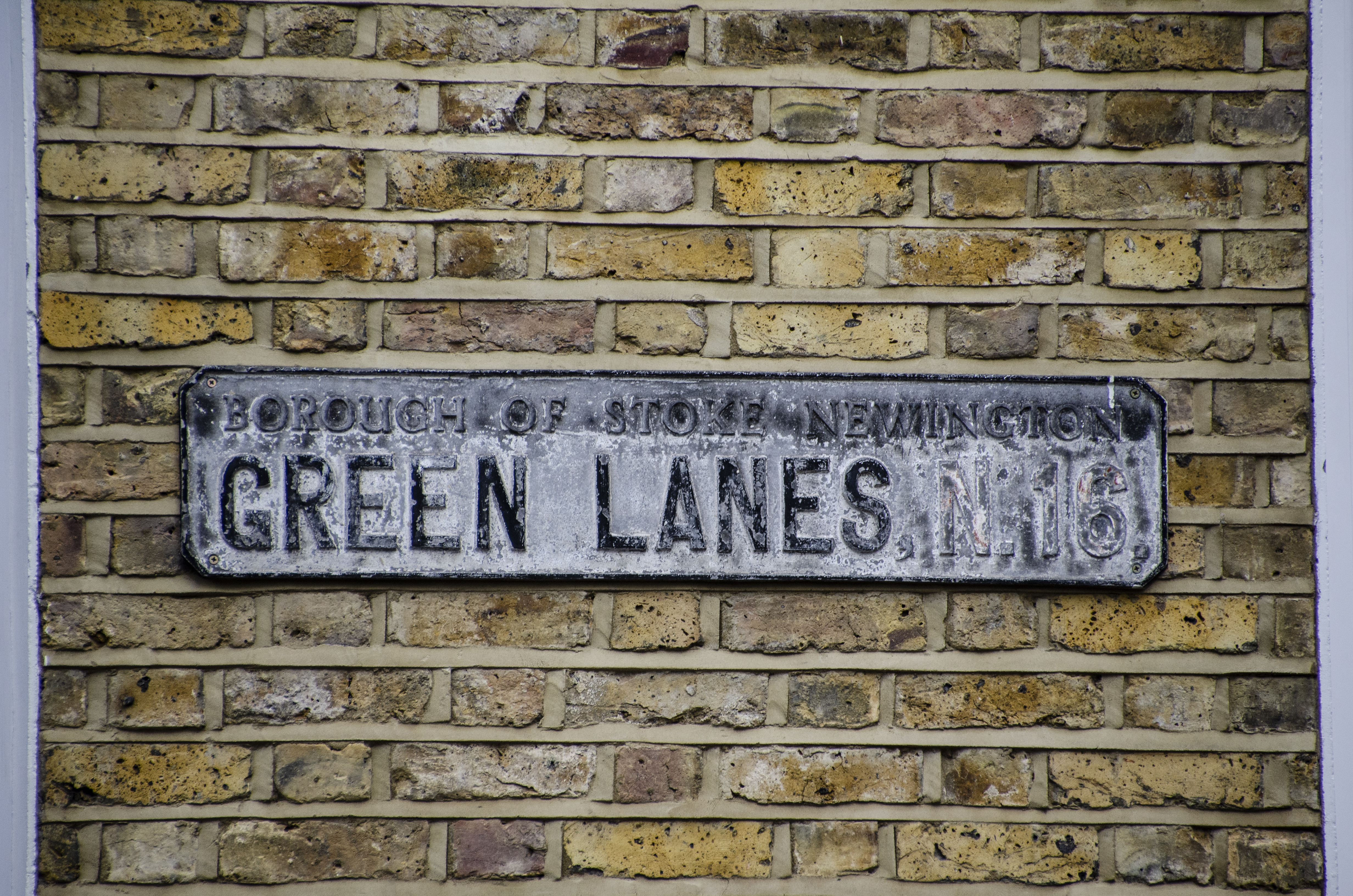
- 1930s streets signs – Painted cast iron nameplates that were once common but today only 8 survive. The discoloured one that was in Barbauld Road close to Nevill Road was removed only a year ago or so. I have no idea it was stolen or removed by the council.


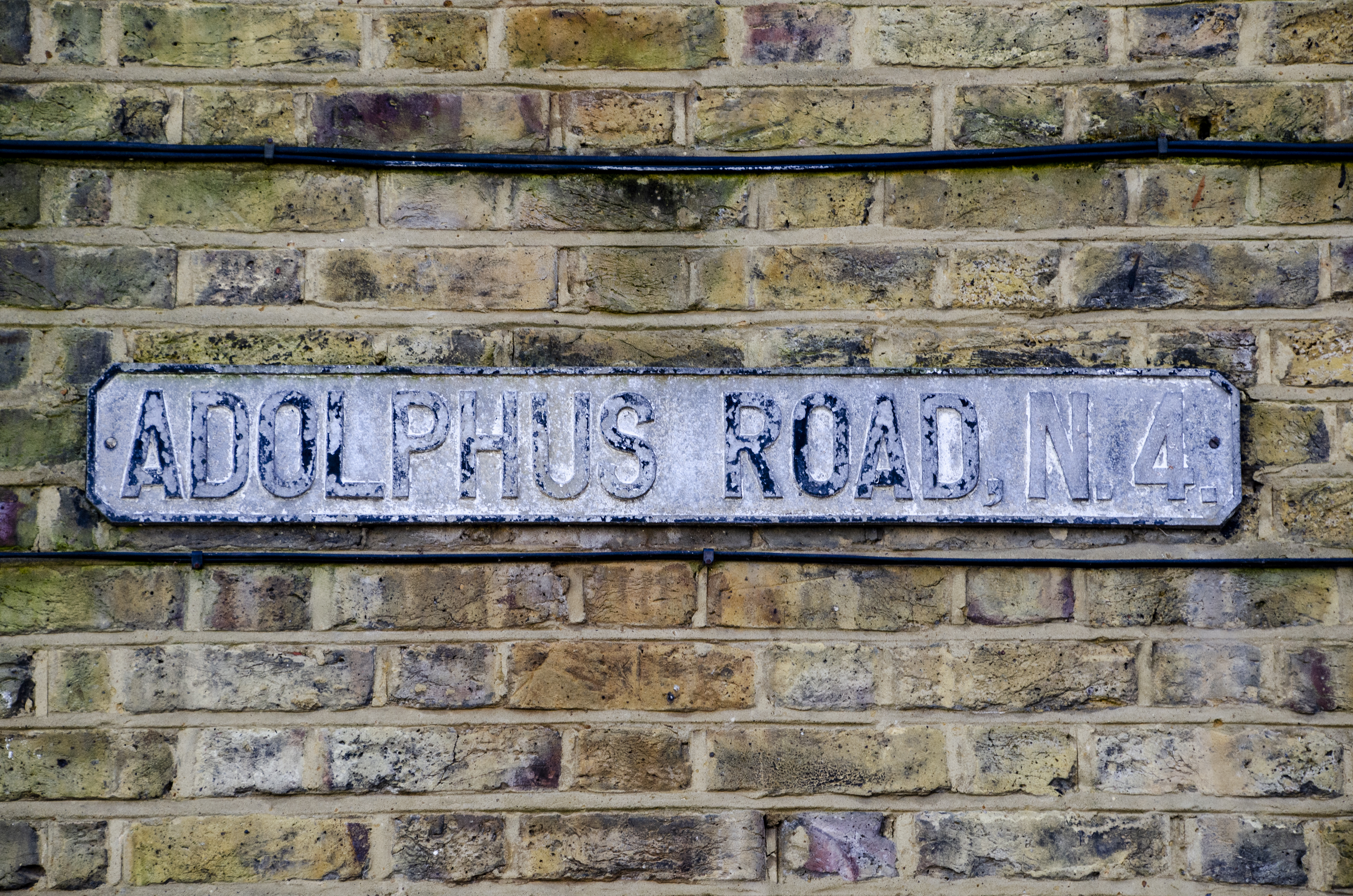

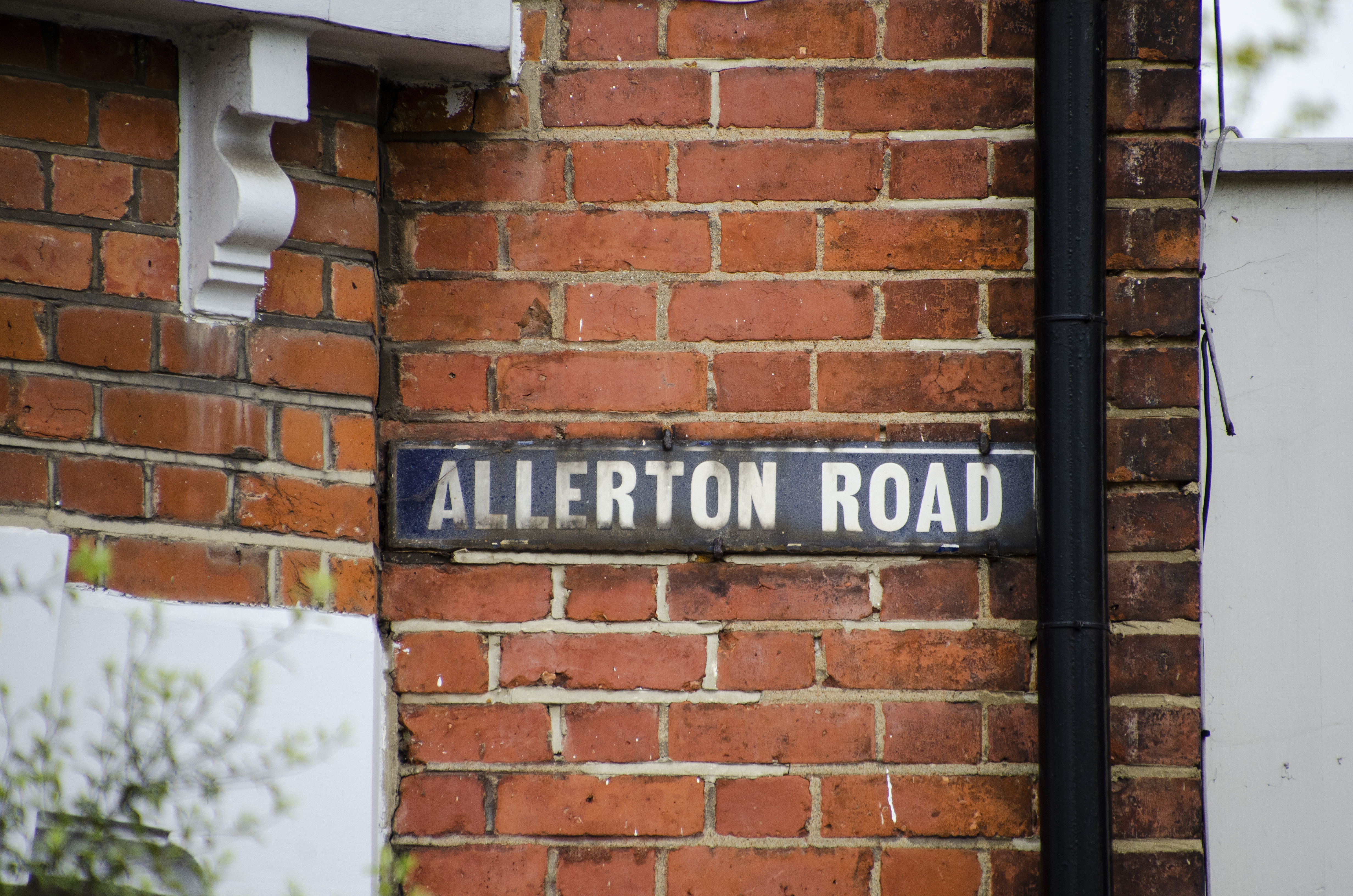
- Enamel no postcode – I suspect these are some of the oldest surviving street signs in Stoke Newington and there are only 5 of them left. Unlike the painted signs on bricks or cast iron plates, enamel signs are far more durable and have aged relatively well.


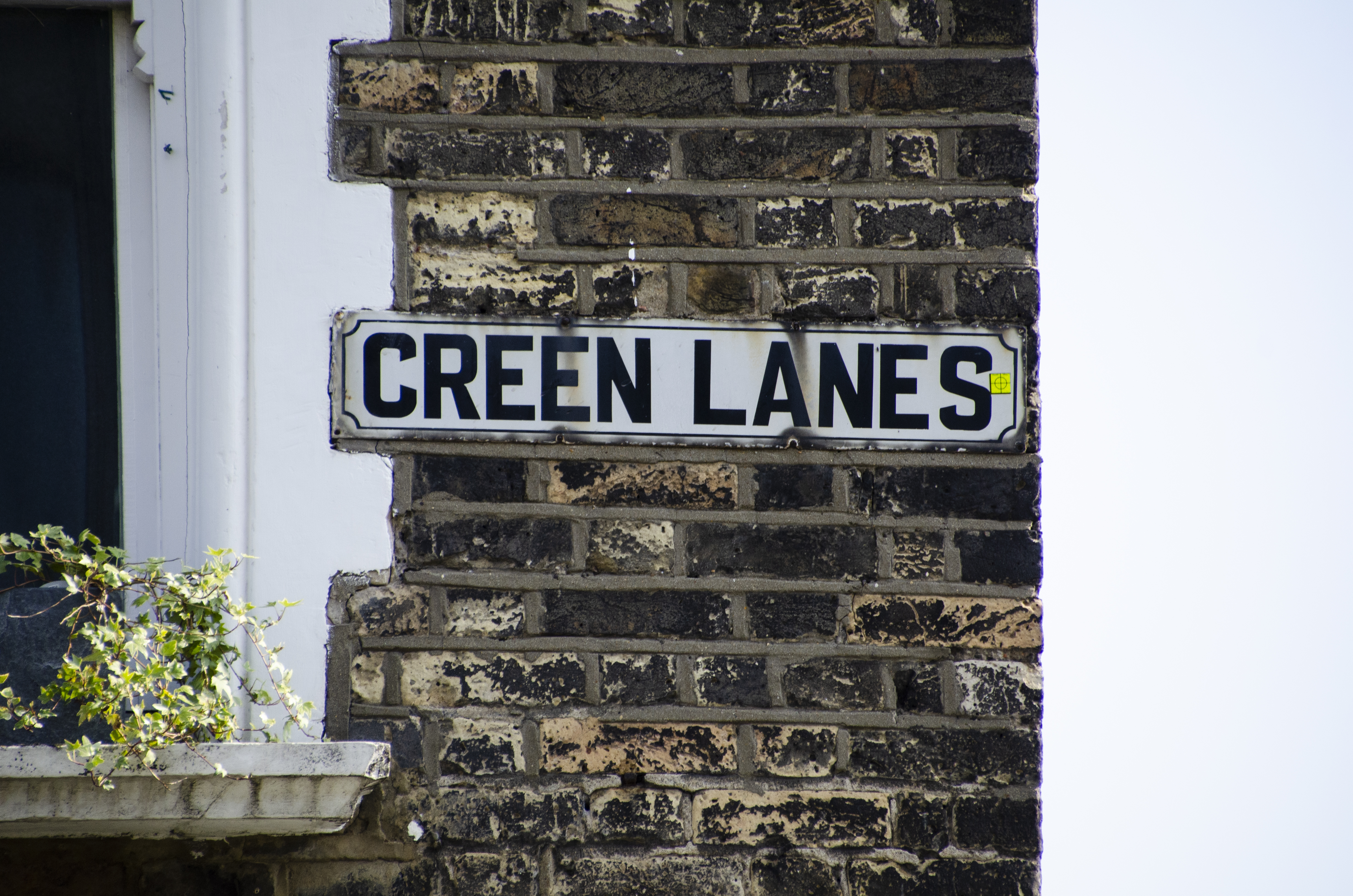

- Painted brickwork – Some of the oldest street signs in Stoke Newington were painted directly onto bricks on buildings. All have faded significantly over the years and some are now barely visible. Often two overlapping layers from different periods are visible. Some are of particular historical importance as they include ‘South Hornsey’, the local authority in the second half of the 19th century in parts of Stoke Newington.


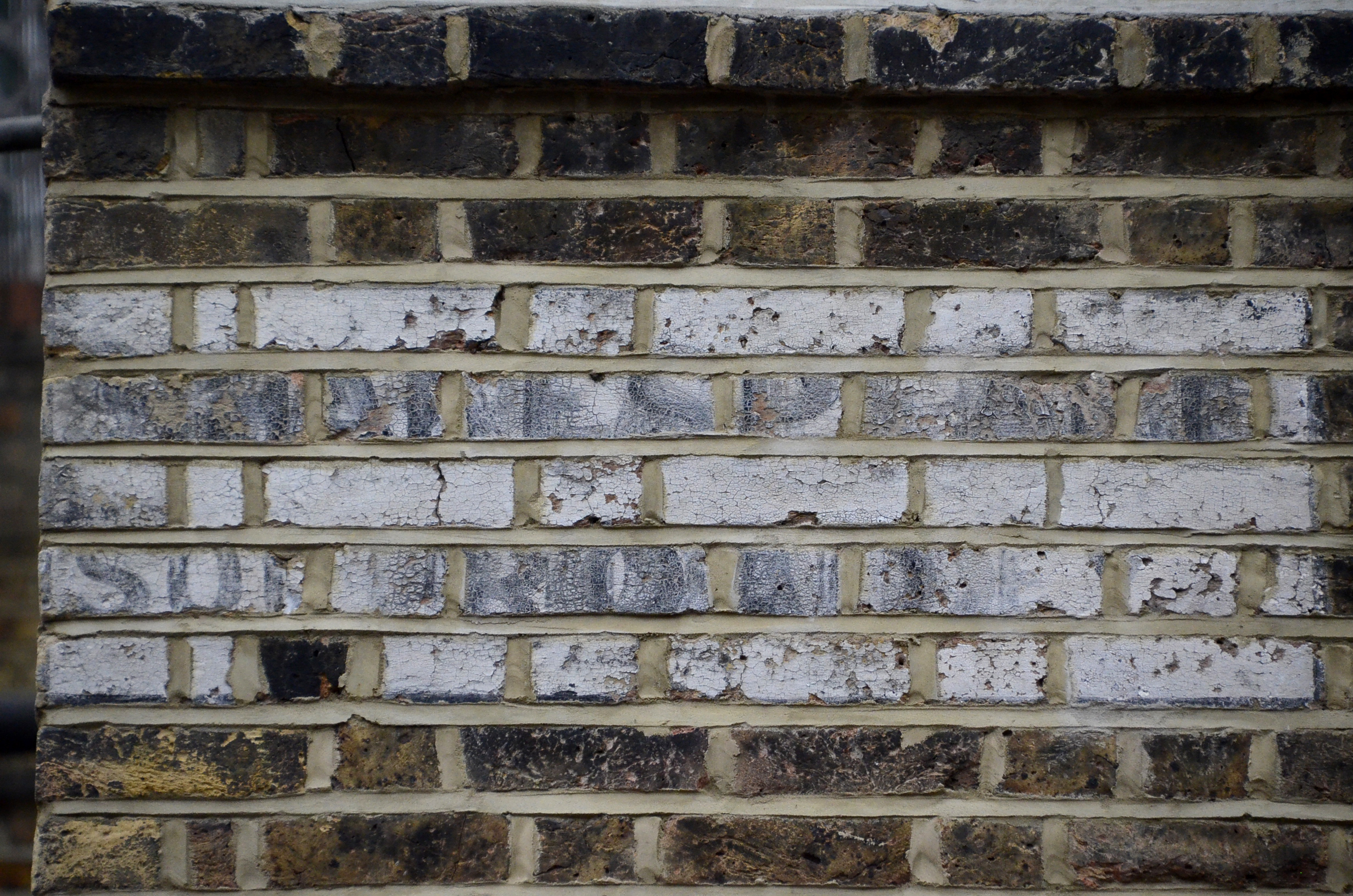
- One-off – This is a small group of 4 signs that don’t fit any of the other categories, but are visibly old. They may have likely been manufactured as a one-off for a specific street, rather than a series like some of the other signs in the survey.



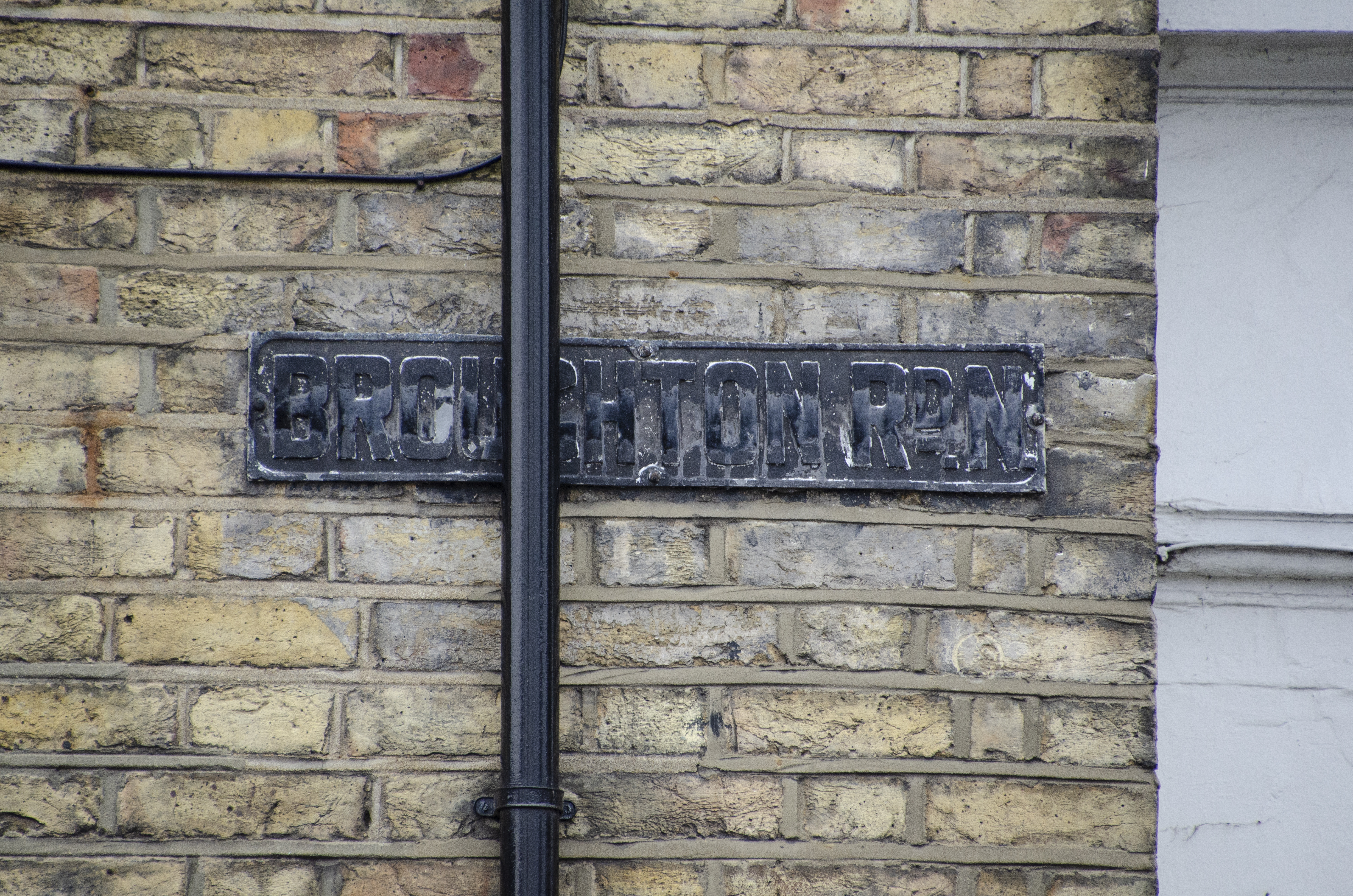
- N Postcode – The ‘N’ postcode was subdivided in 1917 into numerical subdivisions (as were all the other postal districts in London), so street signs with Stoke Newington’s previous postcode are rare and historically significant. While you can spot quite a few in Hackney and Islington for example, there are only 5 surviving in the former Borough of Stoke Newington.

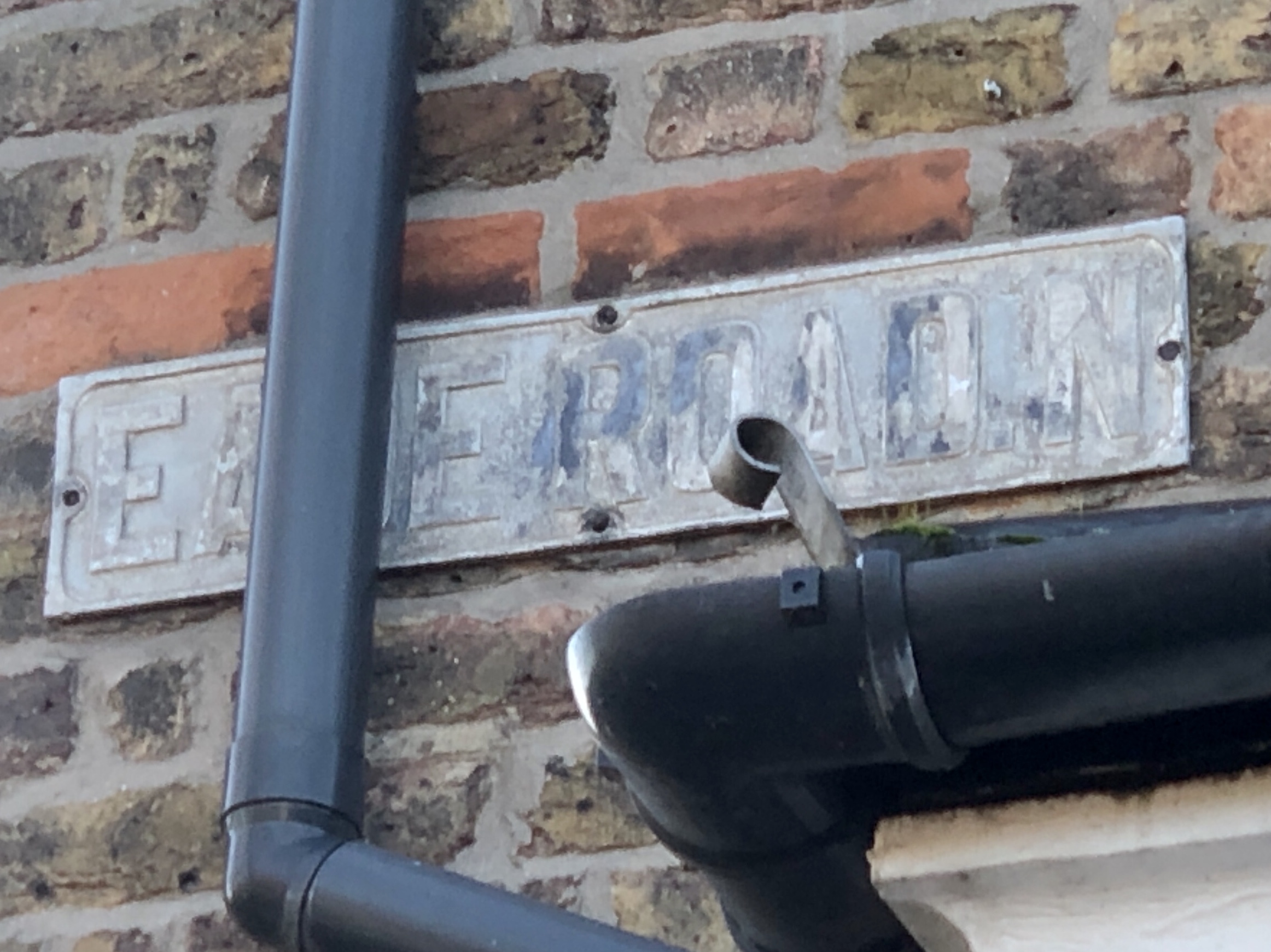

Age

Condition

Protecting Heritage Street Signs
As you see, some of the signs are in poor state and until myself and Nick Perry contacted and council and got Mayor Philip Glanville involved in 2020, the council’s policy was to remove and destroy old signs if they were deemed no longer fit-for-purpose. I received reassurance from the council after a few emails over a few months, that old signs won’t be removed without involving Planning, to assess their historical significance. I hope that’s actually happening in practice.
Restoring Heritage Street Signs
I’ve been campaigning with the help of councillors Richard Lufkin, Sheila Suso-Runge (Deputy Speaker and Heritage Champion) and former councillor Mete Coban for the council to restore some heritage street signs. We started the process in August 2023, and almost a year to the date, the council removed four 1930s signs with ‘Borough of Stoke Newington’, to be restored which is a terrific start and hopefully more will be restored. There are only 17 of these signs left, and they were almost always placed along the former borough’s borders, acting as boundary markers. A few have been restored over the years, but most are in poor condition and need to be repainted.


Learn About Stoke Newington’s Heritage Street Signs
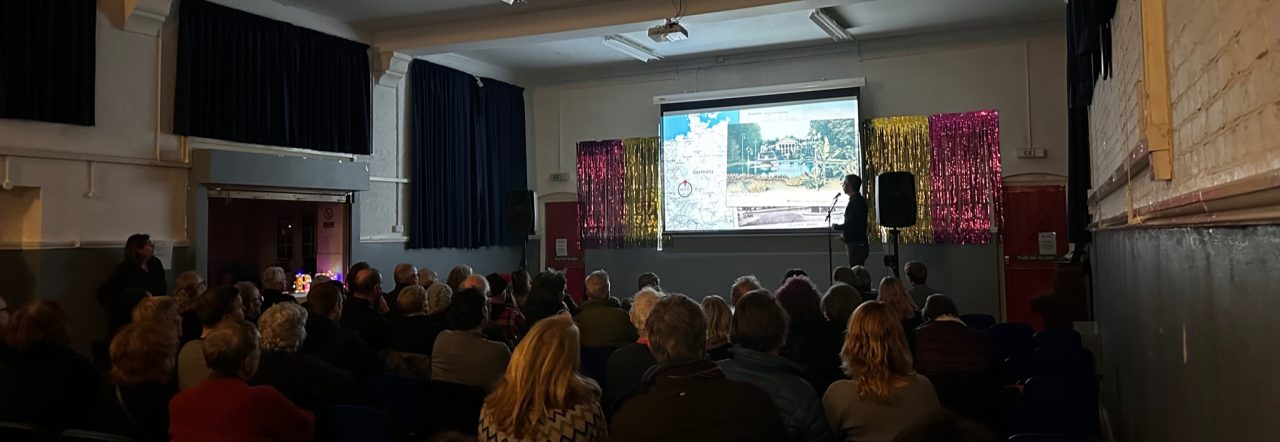
In April 2021 I gave a talk about Stoke Newington’s historic street signs as part of the 15th Stoke Newington History Talks event. You can watch a 20min version or an extended 40min version to learn more about these important historical artefacts.
 Stoke Newington History